
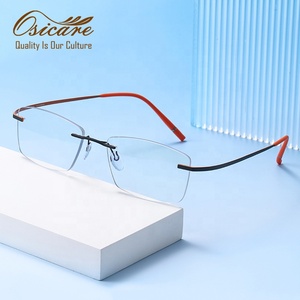
Beta Titanium Alloy
Osicare Designer Glasses Rimless Color Titanium Alloy Eyeglasses Eye Wear Ultra Light OEM ODM Wholesale Optical Frames For Men
Curated wholesale catalog featuring medical-grade beta titanium, memory flex metals, aerospace-grade alloy, and ergonomic mixed-material optical wear.
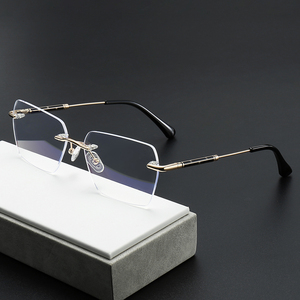

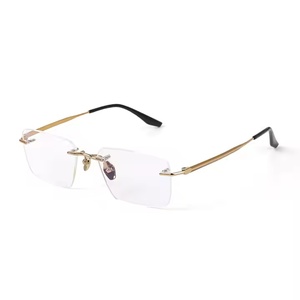
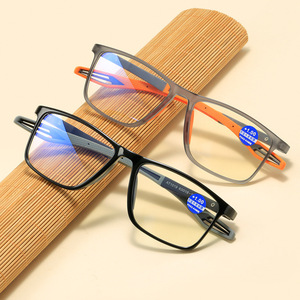
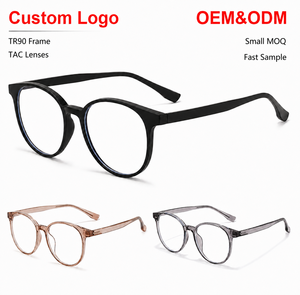
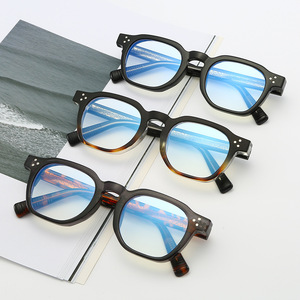
For high-volume eyewear distributors, retail chains, and boutique brands sourcing across global supply chains, procuring CE Certified Metal Eyeglass Frames requires strict alignment with European safety regulations. Under the updated European Union Medical Device Regulation (EU MDR 2017/745), corrective spectacle frames and mounting systems are classified as Class I Medical Devices, demanding comprehensive mechanical durability, biocompatibility, and batch traceability.
A legitimate CE certification is not an arbitrary mark; it demands exhaustive conformance testing against the harmonized standard EN ISO 12870 (Ophthalmic Optics – Spectacle Frames). Metallurgical integrity dictates the lifespan and safety of the final product. Industrial production mandates rigorous chemical profiling under EN 16128:2015 to measure physiological nickel release thresholds. For non-invasive contact items, legal mandates dictate an emission rate under 0.5 μg/cm²/week. Reliable supply partners implement physical vapor deposition (PVD) gold/ruthenium plating and vacuum biocompatible lacquer barriers that withstand perspiration immersion testing without molecular degradation.
| Material Categorization | Tensile Strength (MPa) | Corrosion Resistance | Primary Board Clinical Application |
|---|---|---|---|
| Beta Titanium (β-Ti Alloy) | 850 - 1100 | Exceptional (Immersion Grade) | Ultra-light rimless mounts, flexible spring bridges, hypo-allergenic daily wear |
| Surgical Stainless Steel (AISI 316L) | 580 - 750 | High (Sweat/Acid Resistant) | Ultra-thin sheet metal fronts, architectural temples, robust structural rims |
| High-Nickel / Monel Alloy | 450 - 650 | Medium (Requires Multi-Layer Barrier) | Cost-effective fashion optical, heavy-embossed decorative components |
| Aluminum-Magnesium Aerospace Alloy | 380 - 520 | High (Anodized Surface) | Sport luxury silhouettes, wide temple architecture, industrial matte aesthetics |
A verified supplier maintains internal laboratory infrastructure adhering to ISO 17025 validation protocols. Mechanical testing encompasses bridge deformation resistance, temple hinge cycling (minimum 500 endurance cycles under controlled torque parameters), dimensional stability when heated to 60°C during glazing operations, and resistance to environmental stress crack formation. Optical practitioners rely on these parameters to safely insert prescription lenses via automated edgers without risking frame-eye fracture or metallic tension release.
Combining European engineering tolerances with agile global contract manufacturing and dedicated wholesale brand support.
Every frame batch ships with full Technical File Documentation (TFD), Declaration of Conformity (DoC), and complete compliance testing protocols. Avoid customs seizures and retail fines in the EU, US, and UK territories.
Employing five-axis CNC micro-milling and zero-emission Physical Vapor Deposition (PVD) coating chambers. Achieve high-luster mirror polishing, rich matte textures, and wear-resistant finishes exceeding 72-hour artificial sweat tests.
Tailored custom engineering solutions for independent practices, private collections, and retail optical groups. Precision laser engraving, pad printing, custom temple-tip molding, and bespoke retail-ready packaging sets.
Strategic analysis for category managers and eyewear buyers preparing their commercial pipelines for the next cycle.
Consumers increasingly reject heavy, fatiguing optical frames. Clinical dispensers observe strong migration toward sub-10-gram rimless and semi-rimless beta-titanium profiles that combine flexibility with pressure-free all-day wearability.
European retail groups prioritize low carbon footprints. Sourcing strategies are actively incorporating recycled high-grade surgical steel alloys and eco-friendly bio-acetate temple components, satisfying impending EU Corporate Sustainability mandates.
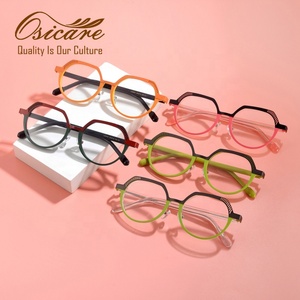
Prescription fashion trends favor structured geometric contours (hexagonal, crown panto, sculpted bridge profiles). Combining precision metal chassis with cellulose acetate inserts allows practices to charge a strong premium at the dispensary board.
Direct answers for optical buyers, supply chain executives, and regulatory managers.
We supply a comprehensive technical documentation package for each shipment, including laboratory test reports validating EN ISO 12870, EN 16128 nickel release test certificates (<0.5 μg/cm²/week), and the EU Declaration of Conformity (DoC) under Class I MDR 2017/745.
For ready-to-ship stock models (including titanium rimless and computer anti-blue eyewear), MOQs start as low as 12 to 50 pieces per model. For bespoke OEM/ODM custom laser branding, custom plating, and dimensional modifications, MOQs typically range from 300 to 500 units per style.
All electroplated and vacuum PVD metal parts undergo standardized salt-spray fog chamber testing (ASTM B117) exceeding 48 to 72 hours. Shipments feature sealed desiccated vacuum barrier packaging and micro-climate buffering to prevent atmospheric oxidation during transit.
Yes. All metal and rimless models are fitted with distortion-free optical demo lenses (1.50 or 1.56 index base curve) engineered with precise beveling to hold frame geometry during transportation. Eyewear is ready for immediate tracing on modern optical edging systems.
Connect with our technical optical sales engineering team. Request material testing white papers, custom production pricing matrices, or customized pre-production physical prototypes.