





Hybrid Metallurgy and High-Precision 3D Sintering
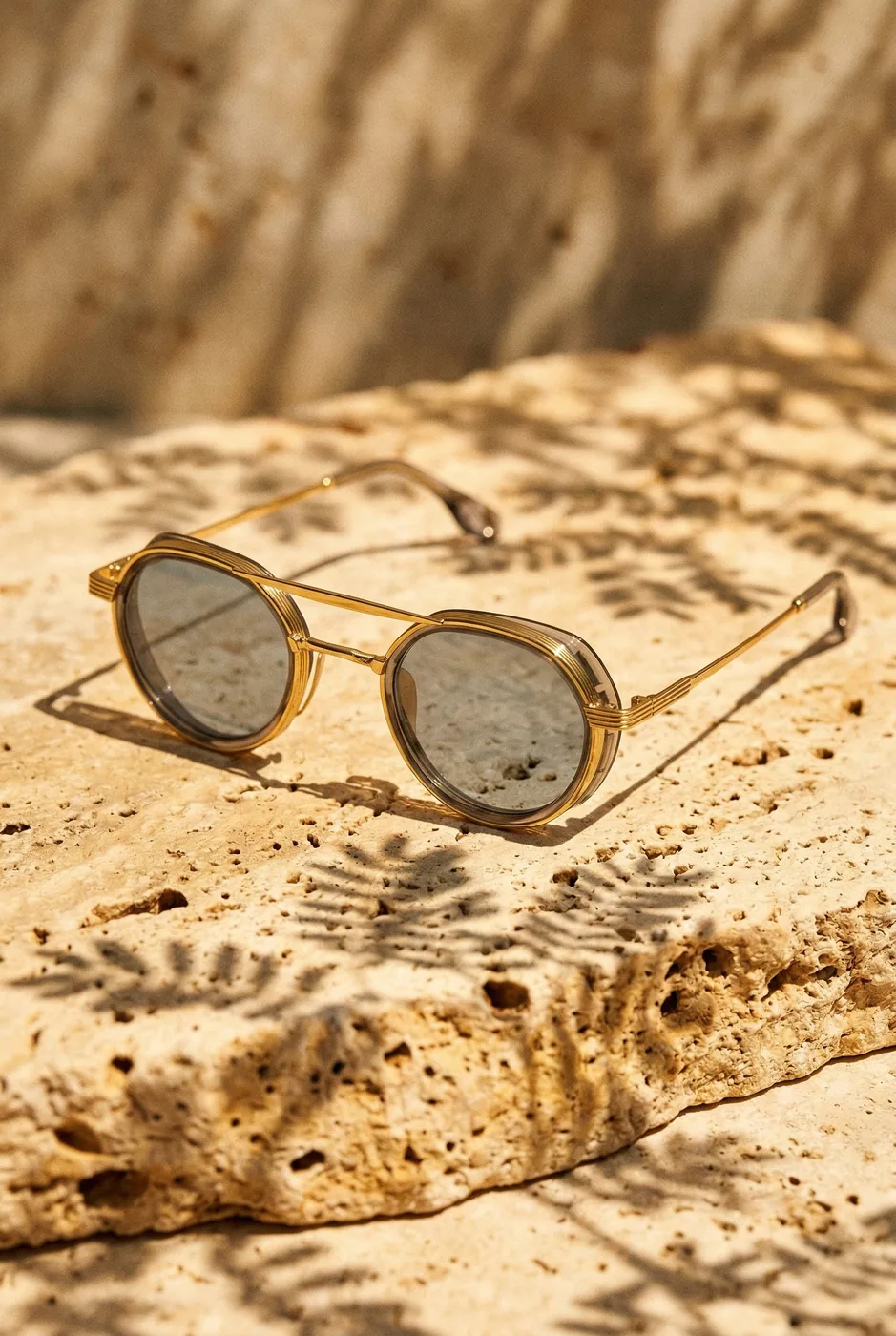
Limited edition eyewear collections serve as the incubator for cutting-edge optical engineering. Ateliers are abandoning standard soldering in favor of selective laser sintering (SLS) additive manufacturing alongside CNC micro-milling. This allows designers to achieve complex lattice temple architectures, ultra-resilient flex hinges without external screws, and weight distributions that eliminate nose-pad pressure points entirely.
Artisanal Acetate Aging and Dimensional Layering
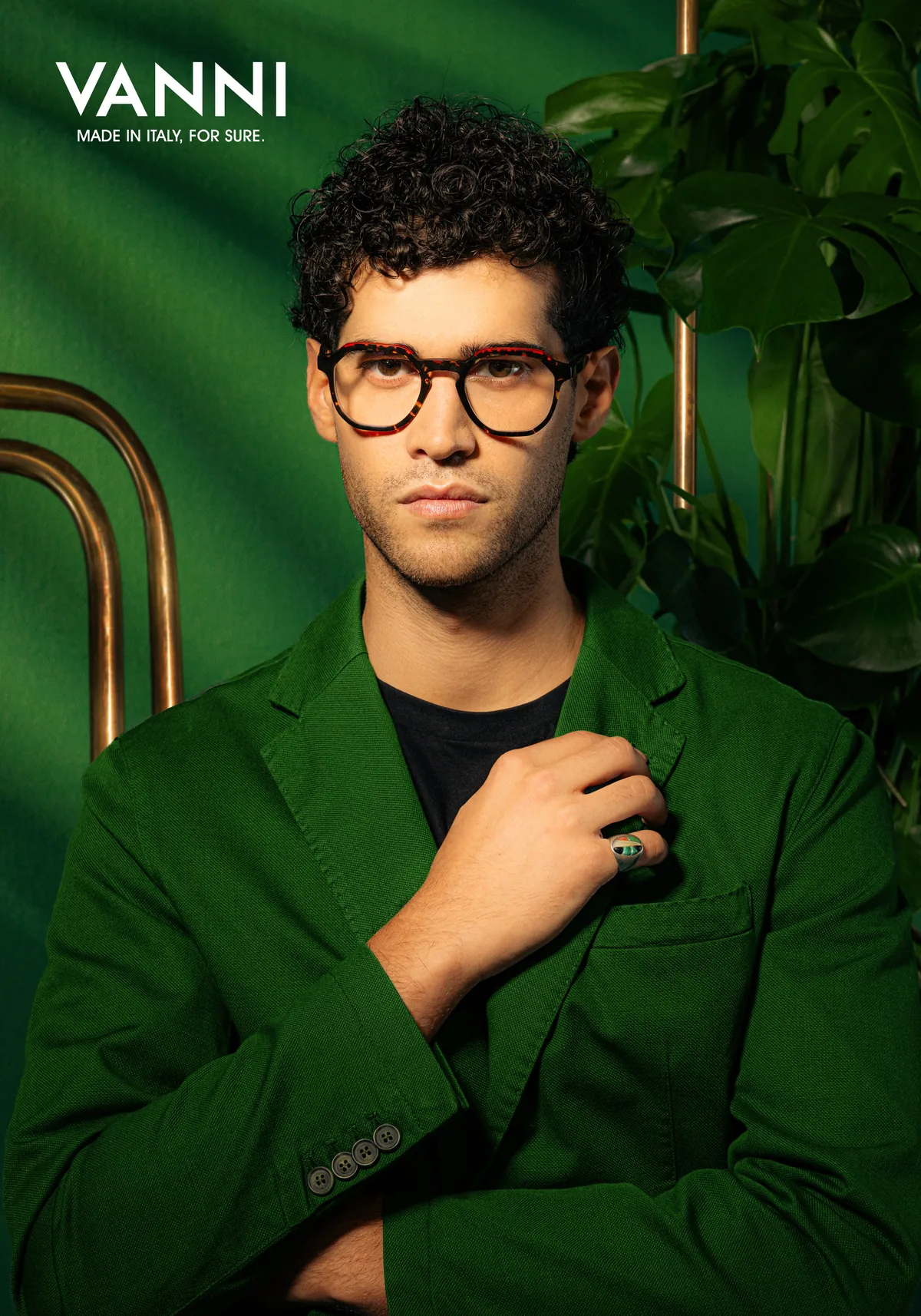
Mass-market frames frequently rely on thin, rapid-cured cellulose sheets prone to warping and loss of luster. Conversely, limited releases use vintage or custom-aged acetate blocks aged for up to nine months to relieve internal chemical stress. Ateliers like J.F. Rey and VANNI employ proprietary multi-axis laminate pressing, combining contrasting colors and internal mesh metals into single, cohesive blocks that reveal distinct visual depths when viewed from oblique angles.
Prescription Adaptability for Modern High-Index Freeform Surfacing
A primary failure of amateur limited-edition design is poor optical ergonomics. High-end collectors frequently require progressive, high-cylinder, or high-minus prescriptions. Advanced limited collections balance aesthetic daring with strict optical parameters: calculated face-form wrap angles (pantoscopic tilt between 7°–10°), ample B-measurements for seamless multi-focal progression corridors, and deep lens grooves engineered to conceal edge thickness.