
Beta-Ti / IP Plated
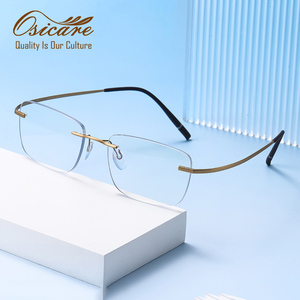
Engineered for high-volume optical distributors, regional eyewear chains, and independent boutique brands requiring rigorous CE conformity.
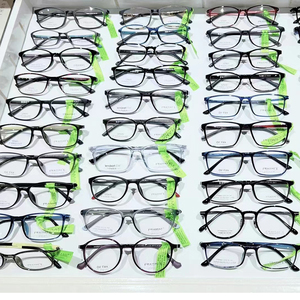
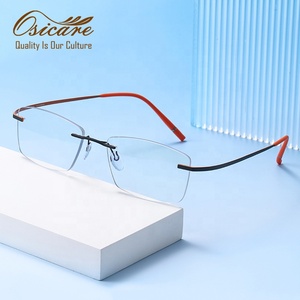
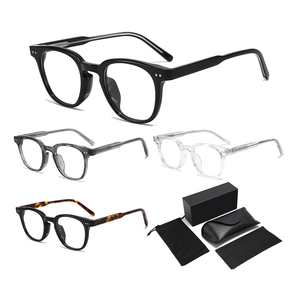
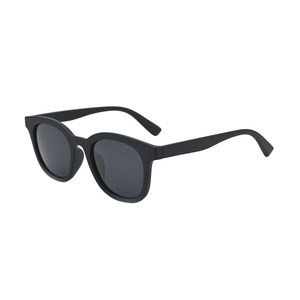
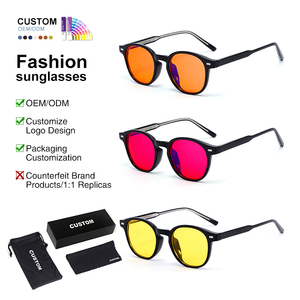
A comprehensive technical analysis of material performance, dimensional integrity, and international regulatory criteria for procurement executives.
In the international ophthalmic supply chain, sourcing CE certified round optical frames demands strict adherence to engineering protocols far beyond aesthetic considerations. Under the European Medical Devices Regulation (EU MDR 2017/745), corrective spectacle frames are classified as Class I medical devices. This places the burden of proof directly on suppliers and distributors to demonstrate rigorous quality control, mechanical stability, chemical safety, and traceability from polymer synthesis to the patient dispensing table.
MDR 2017/745 Compliance
EN 16128 Nickel Leaching Limit
Cycles Hinge Fatigue Testing
CNC Rim Groove Tolerance
Round optical frames, such as historic Windsor shapes, pantoscopic silhouettes, and contemporary circular geometries, present distinct ophthalmic laboratory challenges. Unlike rectangular or soft cat-eye shapes where rotational displacement is immediately halted by the frame eyewire, perfectly round lenses can rotate within the eyewire during mechanical tracing, edging, and prescription glazing if bevel profiling is not maintained to sub-millimeter tolerances.
Our OEM manufacturing process deploys high-precision multi-axis CNC wire-cutting for metal eyewires and cold-carved processing for block cellulose acetate. By maintaining an eyewire groove angle of 90° ± 1.5° and depth of 0.6mm, we eradicate lens slippage and preserve prescription axis stability, protecting astigmatic cylinder alignments (Cyl axis deviation ≤ 1°).
Direct prolonged contact with human skin means that European and North American customs authorities stringently regulate frame materials. Key compliance standards include:
| Material Class | Tensile Modulus (GPa) | Yield Strength (MPa) | Corrosion & Sweat Resistance | Recommended Prescriptions |
|---|---|---|---|---|
| Japanese Pure Titanium (Ti-Gr2) | 105 - 110 | 380 - 450 | Immune to saline & acidic perspiration | All powers; ideal for ultralight minimalist wear |
| Beta-Titanium (Ti-15V-3Cr-3Sn-3Al) | 80 - 90 | 850 - 1000 | Ultra-high flexural fatigue resistance | Moderate to high minus lenses; flexible temples |
| High-Density Cellulose Acetate | 2.8 - 3.4 | 50 - 85 | Excellent color retention; UV stabilized | High prescriptions requiring edge concealment |
| Swiss Grilamid TR90 Polymer | 1.5 - 1.8 | 60 - 75 | Resistant to thermal distortion (-30°C to 80°C) | Sports optics, children's active wear, daily frames |
Critical structural shifts altering consumer preferences, factory line investments, and international distribution corridors.
Global optical retailers are actively phasing out petroleum-derived plastics. The standard for premium round frames is shifting toward certified bio-acetates derived from responsibly harvested wood pulp and cotton lint, utilizing non-phthalate plasticizers to achieve biodegradable certification without sacrificing polish luster or structural memory.
The boundary between pure metal and plastic frames is dissolving. Emerging market demand heavily favors dual-construction silhouettes: ultra-thin beta-titanium inner rims structurally locked within organic acetate contours. This delivers the rich aesthetic volume of round styles alongside the lightweight balance of titanium.
Wholesale distributors are moving away from massive single-model inventory holdings. Modern supply chains prioritize agile manufacturing cycles with fast-turnaround, smaller-batch production runs. This framework lets independent optical practices test regional color variations and customized fits while keeping inventory lean.
Combining European design aesthetics with industrial-grade manufacturing infrastructure and dedicated client assistance.
Every frame batch is delivered alongside certified technical files, including Declaration of Conformity (DoC), documented ISO 12870 reports, and transparent raw material batch traceability that eases customs processing.
We work exclusively as a B2B trade supplier and distributor. We do not sell directly to consumers, safeguarding retail margins and giving independent practices exclusive territory protection.
From custom 3D technical CAD modeling and personalized laser temple core engraving to specialized pantoscopic tilt fine-tuning, our engineering team realizes your distinct branding vision.
We do not dump catalogs; we curate. Our ophthalmic specialists analyze demographic demands, rim proportions, and color palettes to balance your board with high-sell-through styles.
Essential guidance addressing regulatory approvals, structural custom specifications, sample verification, and bulk logistics.
Partner directly with an established international exporter committed to clinical engineering standards, clean regulatory compliance, and sustained independent retail margins.
Get Catalog