CE Certified Wholesale Boutique Eyewear Supplier & Exporters

Precision Engineering, Verified Medical Device Regulation (MDR) Compliance & Strategic Inventory Solutions for Independent Optical Practices Worldwide

100% CE & EN ISO 12870 Compliant
45+ Export Destinies Across EU & US
0.02mm CNC Optical Tolerance Precision
5-Tier Batch Spectrophotometry QA
Wholesale Inventory Selection

Featured CE-Certified Eyewear & Optical Components

Engineered for boutique dispensary performance, high prescription adaptability, and enduring comfort. All models undergo certified nickel-release testing and physiological biocompatibility validation.
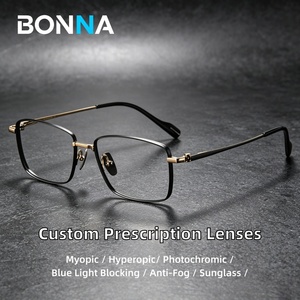
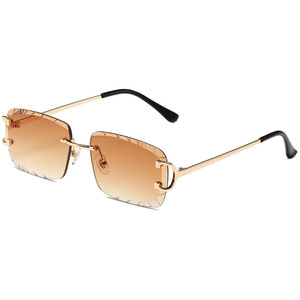
CE Certified · Grade 5 Titanium Retro Square Titanium Metal Eyeglasses Frames
UV400 · Diamond Bevel Designer Rimless Square Diamond Cutting Sunglasses
Handcrafted Wood · Rimless Luxury Men Wood Rimless Blue Light Glasses
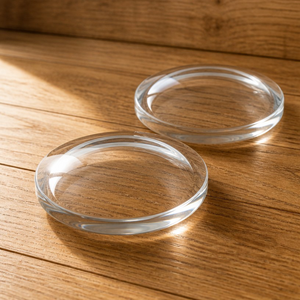
MDR Ready · 1.60 MR-8 1.60 MR-8 Spherical Optical Lenses
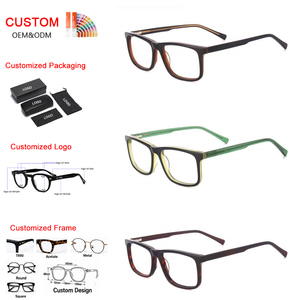
Bio-Cellulose · Multi-axis Mill Premium Acetate Optical Frames
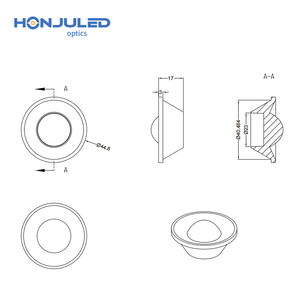
PMMA Optical · 92% Transmission COB LED Zoom PMMA Optical Lens
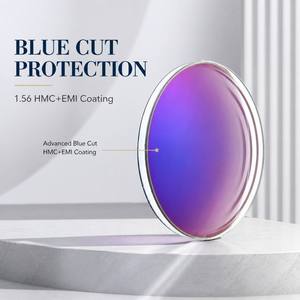
420nm Cut · EMI Shielding 1.56 HMC Blue Cut Optical Lenses
Ergonomic Bridge · Hand Polished Acetate Glasses Frame Unisex Rectangular
Technical Whitepaper & Industry Analysis

Boutique Frame Board Strategy: Architectural Integrity & CE Compliance

In modern ophthalmic dispensing, independent optical practices, luxury optometrists, and multi-practice groups face severe margin compression caused by direct-to-consumer conglomerates and commodity-grade imports. Securing an authoritative point of difference requires more than surface aesthetics; it necessitates an architectural approach to frame board engineering, strict compliance with European Medical Device Regulation (EU MDR 2017/745), and a sophisticated understanding of mechanical durability.

Optical buyers must evaluate frames across three interdependent metrics: micro-structural stability under thermal and lens stress, chemical non-reactivity with epidermal micro-flora, and long-term grooving integrity during automated lens edging. Our CE-certified optical frames and specialized high-index monomers are manufactured under clean-room conditions and multi-axis CNC routing systems to eliminate structural micro-fractures commonly found in stamped bulk eyewear.

ISO 12870 Biocompatibility

Frames feature medical-grade nickel release control (testing below 0.5 µg/cm²/week pursuant to EN 16128) and phthalate-free, food-contact grade cellulose acetate to protect sensitive skin and prevent bridge dermatitis.

Cold Glazing & Bevel Retention

Acetate profiles are aged using controlled curing ovens to stabilize moisture ratios, allowing optometrists to cold-insert high-prescription lenses without thermal deformation, barrel blowout, or eyewire warping.

Beta-Titanium Flex Integrity

Utilizing high-tensile Japanese titanium formulations, our vintage business and rimless metal mounts offer exceptional strength-to-weight ratios, dampening lateral temple stresses and maintaining pantoscopic angle calibration.

Material Engineering Tensile Yield (MPa) Weight Index Biocompatibility Index Rx Power Suitability
Japanese Beta-Titanium 830 - 1050 MPa Extremely Ultra-Light (4.5 g/cm³) Class I Non-Allergenic Medical High Cylinder & Prismatic Tolerant
High-Density Bio-Acetate 65 - 85 MPa Standard Tactile (1.28 g/cm³) Azo-Dye & Phthalate Free Certified Optimal for -8.00D to +6.00D High Edges
Multi-Layer Hardwood + Carbon Core 110 - 140 MPa Balanced Organic (1.15 g/cm³) Natural Carnauba Wax Sealant Bespoke Rimless -4.00D to +4.00D
1.60 MR-8 High Index Resin Comp. Abbe 41 Lightweight (1.30 g/cm³) FDA / CE Impact Drop-Ball Tested Ultra-Thin Rimless Drilling Spec
Strategic Sourcing Trends 2026–2030

Future Procurement Dynamics in Global Eyewear Exporting

How macroeconomic supply chain diversification, decarbonization mandates, and smart integration are reshaping wholesale procurement criteria for commercial buyers.

Closed-Loop Circularity & Bio-Acetates

Global optical retail boards are accelerating the phase-out of petroleum-based plastics. Forward-thinking procurement strategies prioritize bio-acetates synthesized from certified sustainably harvested wood pulp and cotton linters. Utilizing diethyl phthalate-free plasticizers ensures that entire product lines degrade organically under industrial composting parameters while maintaining exceptional optical transparency, dimensional stability, and vibrant color saturation.

Automated Supply Integration & Small Batches

Traditional multi-thousand unit order cycles represent unmanageable inventory liability for discerning distributors. The industry standard is shifting toward agile replenishment, leveraging digitized ERP connectivity, pre-cleared regulatory paperwork, and rapid-response boutique production runs (50-300 units per colorway). This agility prevents clearance markdown erosion, reduces dead inventory, and allows dispensary owners to align stock with evolving seasonal color palettes.

Substrate-Embedded HEV & Blue-Filtering

Superficial blue-reflective coatings are losing market share to monomers that absorb high-energy visible light directly within the lens matrix (up to 420nm). These advanced substrates avoid unsightly purple-blue surface glare, prevent ghost reflections, and maintain authentic color rendering. As prolonged digital screen engagement remains universal, incorporating substrate-level protection across baseline inventory is essential for modern optical dispensers.

UDI Traceability & Digital Product Passports

Enforcement of the EU Unique Device Identification (UDI) system mandates that wholesale exporters maintain uncompromised lot traceability down to specific raw material melts and coating chamber batches. Importers and clinic owners must verify that wholesale partners provide comprehensive technical dossiers, authorized Declarations of Conformity, and compliant barcoding to eliminate regulatory seizure risks at port inspections.

Factory Direct Precision

Why Independent Practices & Retail Groups Partner With Us

Combining artisanal craftsmanship with industrial-scale precision to deliver high-margin, problem-free optical collections backed by dedicated logistical support.

5-Axis CNC & Hand-Polishing

Every frame bridge, eye wire, and temple contour is milled on advanced multi-axis CNC machines to achieve micron tolerances, followed by 72 hours of traditional organic tumble polishing for a durable, glass-smooth luster.

Audited European Compliance

Full conformance to European Regulation (EU) 2017/745 on medical devices, EN ISO 12870 spectacles standards, and international UV sunwear mandates. We supply complete audit reports, CE Declarations of Conformity, and lab testing paperwork.

Private Labeling & Turnkey Support

Protect your brand equity with laser temple engraving, custom hot-stamped foil logos, branded micro-fiber cloths, and bespoke packaging. Elevate your practice above mass-market discount chains with tailored, exclusive product presentations.

Procurement & Compliance FAQ

Frequently Asked Questions by Optical Importers & Buyers

Critical regulatory, logistical, and technical insights to ensure smooth customs clearance and profitable dispensary operations.

How do your optical products comply with the European Union Medical Device Regulation (EU MDR 2017/745)? ✕
Non-corrective frames intended for prescription glazed lenses and corrective optical blanks are classified as Class I Medical Devices under Rule 1 of Annex VIII of EU MDR 2017/745. Our manufacturing facilities operate under comprehensive ISO 13485-certified quality management protocols. Every export shipment is accompanied by a formal EU Declaration of Conformity (DoC), technical documentation verifying EN ISO 12870:2018 compliance, and assigned Basic UDI-DI identifiers, ensuring prompt customs processing across all European border inspection posts.
What nickel-release testing and skin-contact certifications are conducted for titanium and metal collections? ✕
Every production batch of metal spectacles undergoes rigorous testing in accredited laboratory environments according to the EN 16128 reference method (the standard under REACH Annex XVII, Entry 27). The limit for nickel release from frame components intended to come into direct, prolonged contact with the skin is 0.5 µg/cm²/week. Our pure and beta-titanium collections yield non-detectable nickel-release rates, making them safe for hypoallergenic dispensing and preventing allergic contact dermatitis.
Can your acetate frames be cold-glazed, and how do they respond to high-power lens edging? ✕
Yes. Our boutique acetate frames are milled from cured, multi-layer high-density cellulose acetate sheets aged for a minimum of 90 days. This controlled aging prevents plasticizer loss, stabilizes internal material tension, and maintains shape memory. The frames can be cold-glazed with standard minus and plus curves using common edging systems (such as Essilor, Nidek, or Briot). The eyewire groove depth (0.6mm standard) and bevel angle (110° to 120°) provide secure lens retention, eliminating lens pop-outs even under strong prismatic pressures.
What are the Minimum Order Quantities (MOQs) for custom branding, laser etching, and bespoke temple engraving? ✕
For in-stock catalog models, our flexible replenishment program offers an entry-level tier starting at just 50 units across mixed styles, with custom laser pad printing or logo etching applied on inner temples and demonstration lenses. For fully bespoke OEM/ODM frame development—including proprietary pantograph shaping, custom acetate color lamination, or specialized hinge tooling—our standard batch MOQ starts at 300 units per model, distributed across up to three distinct colorways.
What impact resistance and optical clarity standards do your high-index optical blanks and lenses meet? ✕
Our optical blanks, including 1.56, 1.60 MR-8, and 1.67 resin formulations, are compliant with ISO 8980-1 (focal power tolerances), ISO 8980-2 (transmittance specifications), and the US FDA 21 CFR 801.410 drop-ball impact test. Using legitimate Mitsui Chemicals monomer formulations guarantees superior Abbe values (such as Abbe 41 in MR-8), which minimizes chromatic aberration, enhances edge-tint transparency, and delivers high tensile strength for rimless drill mounting.
What is the typical export turnaround time, and how are fragile shipments protected during international transit? ✕
In-stock inventory orders ship within 3 to 7 business days via air express (DHL, FedEx, UPS) or freight forwarder networks, complete with export customs paperwork. Custom private label runs generally conclude within 35 to 45 calendar days. Every individual frame is packaged in protective anti-static, anti-scratch sleeves, compartmentalized in 12-piece shock-absorbing master display boxes, and packed within export-grade, 5-ply corrugated cartons reinforced with corner edge guards to ensure damage-free international transit.
Direct Importer Consultation

Upgrade Your Optical Practice With Certified Boutique Frames

Connect directly with our international export managers for wholesale price sheets, private labeling minimums, compliance documentation, and physical sample shipments.

Get a Quote