Engineered across certified ISO 9001 and FDA-registered production cells. From micro-injection Swiss EMS TR90 memory polymers to aerospace-grade cold-forged Beta-Titanium and precision PMMA high-transmittance lens modules.
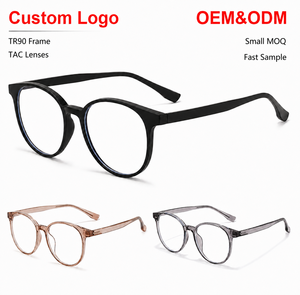
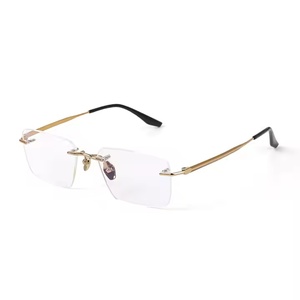
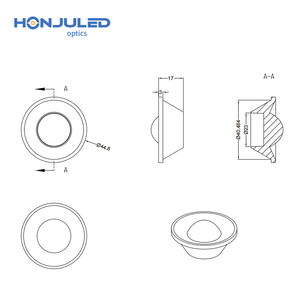
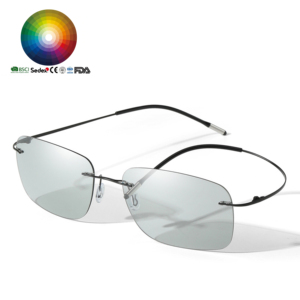
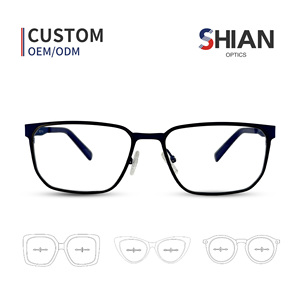
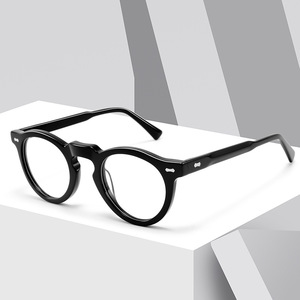
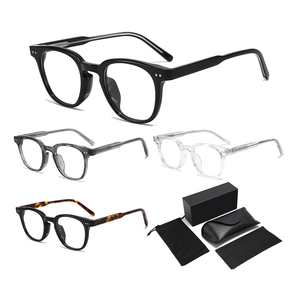
A technical analysis of contract eyewear production: evaluating raw material provenance, dimensional tolerance thresholds, surface finishing protocols, and quality compliance frameworks for global optical procurement executives.
The manufacturing delta between entry-level eyewear and boutique-grade frames lies in the machining methodology. While mass-market consumer frames rely on high-cavity zinc-aluminum die casting or low-viscosity recycled injection plastics, professional optical frame boards demand 5-axis CNC subtractive routing of high-density cellulose acetate blocks (aged 90+ days to mitigate hygroscopic expansion) or precision vacuum micro-casting of Beta-Titanium alloys.
Surface roughness ($Ra$) directly governs skin bio-compatibility and high-end gloss depth. Our contract factories deploy a four-stage tumbling protocol utilizing custom beechwood and birch granules infused with graded pumice waxes. This replaces the aggressive chemical dipping common in discount production, ensuring zero leaching of plasticizers and eliminating premature stress fractures at the bridge juncture.
Atmospheric oxidation, human sweat acidity, and UV radiation accelerate corrosion in sub-standard metal frames. We specify Physical Vapor Deposition (PVD) ion sputtering with an under-barrier of high-purity palladium-nickel or nickel-free gold strike. This ensures a surface hardness exceeding 1800 HV and withstands standard ISO 12870 synthetic sweat tests for over 240 continuous hours without pitting or delamination.
How consumer preferences, ergonomic demands, and environmental regulations are restructuring eyewear procurement pipelines across North American and European markets.
Global optical retailers are pivoting rapidly to meet Scope 3 ESG mandates. Sourcing contracts are transitioning from petroleum-synthesized phthalates to bio-acetate synthesized from wood pulp and cotton seeds, alongside castor-derived bio-polyamides. These materials preserve structural elasticity while degrading organically within 115 days under industrial composting conditions.
Hinge loosening represents the highest consumer return trigger in optical dispensaries. Sourcing demand has surged for screwless flex hinges cut via fiber-optic lasers from single-sheet stainless steel or memory titanium. These mechanisms sustain upwards of 25,000 continuous hinge flexions without torque degradation or mechanical misalignment.
The convergence of audio smart glasses and augmented reality HUDs demands hybrid temple ergonomics. Modern OEM factory lines must accommodate hollowed temple chambers for micro-circuitry co-molding while preserving standard optical glazing capability, ensuring prescription lab compatibility without frame distortion.
Traditional rigid 1,200-pair-per-sku MOQs are obsolete. High-value independent practices require agile procurement with initial run capabilities of 100 to 300 units per colorway. Leveraging multi-axis CNC direct routing bypasses expensive injection molds, allowing brands to validate trending shapes with minimal capital exposure.
Evaluate mechanical properties, tooling expenditure, lead times, and prescription glazing parameters across standard optical manufacturing substrates.
| Substrate Material | Specific Density (g/cm³) | Tensile Modulus (MPa) | Tooling / Mold Cost | Standard Production Cycle | Optimal Board Positioning |
|---|---|---|---|---|---|
| Cured Cellulose Acetate | 1.28 – 1.32 | 2,400 – 2,800 | Ultra-Low (CNC Routed) | 35 – 45 Days | Luxury Statement Frames, Layered Color, Boutique Collections |
| Swiss EMS TR90 Polyamide | 1.00 – 1.05 | 1,600 – 1,900 | Moderate (Steel Molds) | 30 – 40 Days | Ultralight Activewear, Kids Frames, High-Durability Utility |
| Aerospace Beta-Titanium | 4.50 – 4.54 | 105,000 – 110,000 | Moderate-High (Cold Forging) | 50 – 60 Days | Executive Rimless, Minimalist Aesthetics, Hypoallergenic Luxury |
| Optical-Grade PMMA (Acrylic) | 1.18 – 1.20 | 3,100 – 3,300 | Precision Optical Injection | 25 – 35 Days | COB LED Optical Collimators, Polarized Lenses, Display Modules |
| Surgical Stainless Steel | 7.90 – 8.00 | 190,000 – 200,000 | Low (Laser Photo-Chemical) | 35 – 45 Days | Ultra-Slim Wire Profiles, Geometric Silhouettes, Urban Daily Wear |
Modeled on the discerning craftsmanship of Europe's premier design ateliers and backed by robust, certified Asian industrial manufacturing infrastructure.
Our OEM protocols integrate the refined silhouette proportions, sculpted bevels, and multi-laminate color depths inspired by the top European independent collections. We translate runway-level optical aesthetics into scalable, repeatable high-yield mass production without compromising hand-finished artisanal nuances.
Every production batch is certified to global market entry standards: FDA Registered (Medical Device Class I), CE EN ISO 12870:2018 conformity for ophthalmic frames, REACH Annex XVII heavy metal and nickel-release restrictions, and California Proposition 65 total phthalate screening.
Beyond frame fabrication, our facilities manage total supply chain integration: custom debossed leather cases, microfiber cloths with digital reactive printing, branded anti-counterfeiting security tags, custom retail barcoding, and door-to-door DDP global sea/air freight forwarding with cleared customs handling.
Direct answers to core operational queries regarding tooling fees, quality control benchmarks, intellectual property security, and supply chain logistics.
Connect with our technical optical engineering desk to review mold drawings, verify material certs, order physical sample kits, or initiate custom frame prototyping.
Get Catalog