
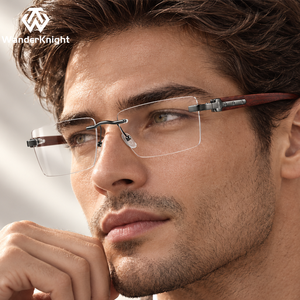
Engineered to deliver optimal segment heights, structural temple rigidity, and pantoscopic tilt precision essential for modern free-form progressive lenses.
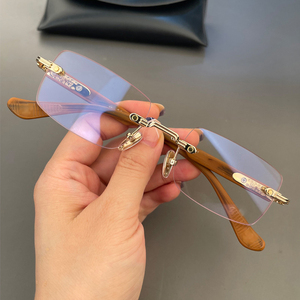
Why generic fashion frames fail with progressive addition lenses (PALs) and how certified manufacturing facilities overcome corridor distortion and optical aberration.
Standard single-vision frames frequently constrain the vertical lens height (B-dimension) under 26mm, inevitably amputating either the intermediate corridor or the reading segment of a modern progressive profile. Premier progressive frame factories design dedicated chassis exceeding 28mm to 34mm in vertical depth, ensuring full focal graduation without corridor truncation.
Any unwanted mechanical flexure across the bridge shifts the interpupillary axis, triggering induced astigmatism and patient swimming effects. World-class exporters apply aerospace-grade beta-titanium, reinforced cellulose acetate wire cores, and micro-welded stainless alloys that preserve strict horizontal ocular alignment across long-term wear cycles.
Progressive power progression requires a precise 12mm–14mm back-vertex distance alongside an ergonomic pantoscopic tilt between 7 and 10 degrees. Factories specialized in progressive-compatible production engineer custom pad arms and micro-adjustable nose saddles that empower optical practitioners to achieve micrometric bespoke fitment.
Strategic purchasing demands aligning inventory with shifting patient demographics, office ergonomics, and cutting-edge material science.
With remote work driving prolonged digital exposure, global buyers are pivoting toward dual-purpose progressive frames capable of hosting wide-intermediate workspace corridors. This requires frame geometries with generous bottom rim width to eliminate peripheral optical degradation during multiscreen navigation.
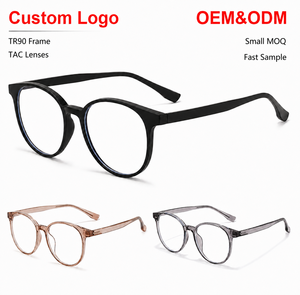
Presbyopic wearers experience heavier progressive lenses due to lower corridor curvature and add powers. Procurement directors now prioritize lightweight frameworks constructed of eco-conscious cellulose propionate, Japanese high-density acetate, and pure medical-grade TR90 to relieve nasal cartilage pressure.
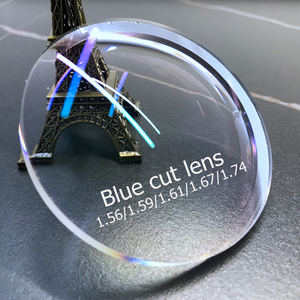
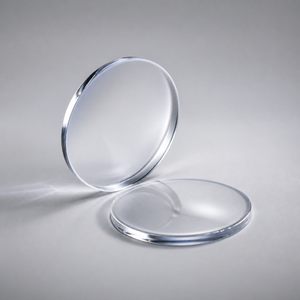
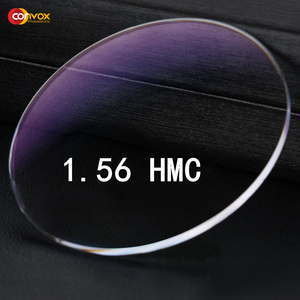
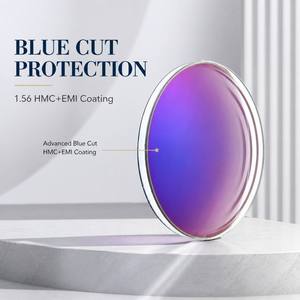
Independent optical retail boards increasingly source bundled frame-and-lens packages directly from vertically integrated OEM/ODMs. Combining stock 1.56, 1.61, or 1.67 high-index blue-cut blanks with factory-aligned rimless and full-rim assemblies cuts delivery lead times from weeks down to days.
| Evaluation Parameter | Tier-1 Progressive Exporter | Standard Wholesale Factory | Generic Commodity Manufacturer |
|---|---|---|---|
| Minimum B-Dimension (Vertical) | 28mm – 36mm Dedicated Geometry | 24mm – 28mm Generic Fit | Variable (< 24mm Non-Optimized) |
| Pantoscopic Angle Tolerance | ±0.5° Micro-Machined Hinges | ±2.0° Standard Stamping | Uncontrolled / Rigid Cast |
| Bridge Structural Stability | High-Tensile Beta-Titanium / Core Wire | Standard Monel / Unreinforced Acetate | Recycled Pot Metals / Prone to Creep |
| Nose Pad Architecture | 3D Articulated Multi-Axis Pad Arms | Standard Fixed / Screw-in Saddles | Molded Fixed Only (Non-Adjustable) |
| Ophthalmic Compliance Certification | ISO 12870, CE, FDA Registered | Basic CE Self-Declaration | None / Regional Trade Only |
Combining European stylistic aesthetics with precision Asian mass-manufacturing infrastructure, our export network delivers unparalleled value at every price tier.
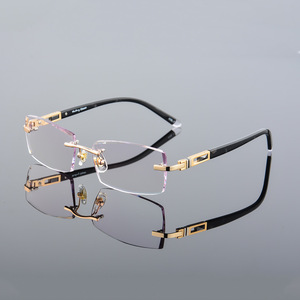
Rather than flooding independent optical stores with redundant commodity lines, our collection architectures focus on specific board roles: architectural everyday profiles, heritage-inspired titaniums, diamond-trimmed luxury rimless, and ultra-flexible TR90 frames that maximize optical inventory turnover.
Unlike factories producing purely cosmetic frames, our design departments work hand-in-hand with ophthalmic surfacing laboratories. Every chassis is pre-validated to accept 1.50 small-diameter, 1.56 blue-blocking, 1.61, and 1.67 high-index progressive blanks without edge flaking or lens popping.
Our sales infrastructure pairs overseas high-capacity fabrication with hands-on, domestic-level consultation. From agile OEM private labeling and laser branding to custom small-batch production runs, we bridge international manufacturing with boutique customer service.
Authoritative insights addressing common mechanical, optical, and logistical inquiries from global dispensaries and supply chain managers.
Consult with our engineering team to review factory technical specifications, request physical production samples, or configure tailored OEM/ODM frame batches for your distribution network.
Inquire Now