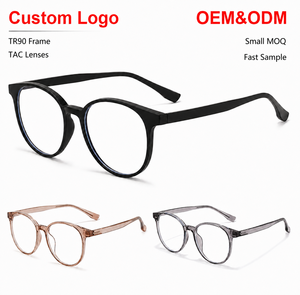
Factory-direct bulk inventory and OEM/ODM customizable bases crafted with premium cellulose acetate, medical-grade memory beta-titanium, ultra-light TR90 composites, and precision-coated ophthalmic lenses.


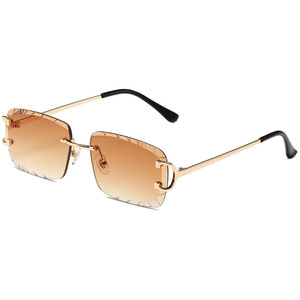
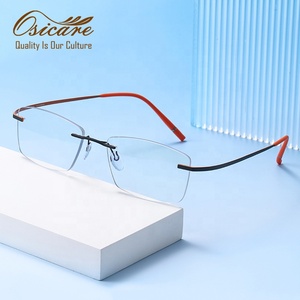
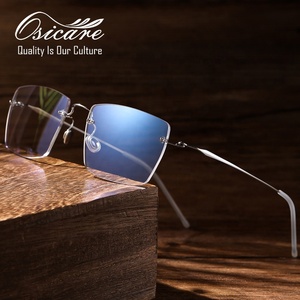
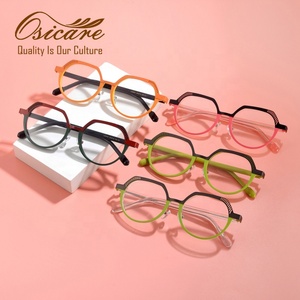
Unlike generic trading intermediaries that push undifferentiated catalog stock, our operational model mirrors the rigorous standards championed by top-tier European distribution portfolios (such as France’s J.F. Rey, Germany’s Jos. Eschenbach, Italy’s L.G.R and VANNI, and Barcelona’s Woodys). Independent optical practices, optometry clinics, and luxury boutique chains cannot survive by competing head-on against mass-market corporatized chains on discount volume. They compete and thrive on uncompromising curation, material transparency, board differentiation, and artisanal provenance.
Every vintage silhouette and optical blank in our export pipeline is audited for board cohesion. By balancing expressive, statement-making faceted shapes with minimalist everyday staples, we help practices optimize inventory turnover without duplicate stock cannibalization.
We equip dispensing opticians with exact engineering collateral: pantoscopic tilt tolerances, barrel hinge barrel counts (3-barrel, 5-barrel, and screwless friction joints), acetate curing durations, and optical Abbe values, turning product specs into table-side conversion tools.
Combining the craftsmanship of European design heritages with cutting-edge automated Asian precision tooling, our export infrastructure offers agile small-batch production, flexible private-label customization, and swift international air-freight logistics.
To evaluate authentic vintage eyewear manufacturers and specialized international exporters, procurement officers must scrutinize baseline raw material purity, multi-barrel hinge tolerances, and testing protocols. Below is a comprehensive audit of the world's leading vintage sunglasses export clusters.
| Supplier Hub / Category | Specialty Silhouettes | Core Material Stack | Compliance Standards | Average Lead Time |
|---|---|---|---|---|
| 1. Belluno Artisanal Cluster (Italy) | 1960s Riviera Cat-Eye, Thick Acetate Navigators | Mazzucchelli M49 Bio-Acetate, Barberini Mineral Glass | CE, EN ISO 12312-1, UKCA | 60–90 Days |
| 2. Jura Craft Consortia (France) | Mid-century Crown Panto, Sculpted Geometric Frames | Cellulose Acetate, Micro-fusion Beta-Titanium | ISO 8980-3, CE Mark, REACH | 75–100 Days |
| 3. Sabae Precision Guild (Japan) | Victorian Filigree Wireframes, Rimless Squares | Cold-forged High-grade Pure Titanium, CR-39 Nylon | JIS T 7333, ANSI Z80.3, FDA Drop Ball | 90–120 Days |
| 4. Shenzhen High-End OEM Export Core (China) | Diamond-cut Rimless, Faceted 1990s Minimalist | Precision CNC Titanium Alloy, Bio-Acetate, Polycarbonate | FDA registered, ISO 9001:2015, CE | 25–45 Days |
| 5. Wenzhou Optical Industrial Cluster (China) | Vintage Aviators, Retro Clubmasters, Oversized 70s | Ultra-light TR90 Memory Polymer, Stainless Steel, TAC Polarized | BSCI, CE, ANSI Z80.3 Compliant | 15–30 Days |
| 6. Nuremberg Technical Optical Hub (Germany) | Bauhaus Architectural Minimalist, Pure Round Pantos | Surgical Stainless Steel, Screwless Hinge Titanium | DIN EN ISO 12870, Medical Device Class 1 | 60–80 Days |
| 7. Catalonia Creative Eyewear Studio (Spain) | Art-Deco Pop-Color Retro, Expressive 1980s Sun | Layered Multi-tone Cellulose Acetate, Organic CR-39 | ISO 14001, CE, UV400 Standard | 45–60 Days |
| 8. Seoul Trend-Design Engineering (South Korea) | Flat-Top 1990s Shield, Ultra-Slim Y2K Oval Vintage | High-Density Memory Polymers, Titanium Inlays, Blue-cut | KC Mark, FDA, CE Certification | 30–45 Days |
| 9. New York Vintage Heritage Exporters (USA) | 1950s Iconic Wayfarers, Military Issue Aviators | Renewed Vintage Deadstock Acetate, Glass Polarized | ANSI Z87.1, ANSI Z80.3, FDA Impact | 10–20 Days |
| 10. Danyang Optical Lens & Frame Base (China) | Mass Customization Retro Wire, Prescription Tinted Sun | 1.50/1.56/1.61 HMC Hydrophobic Lenses, Alloy Temples | ISO 13485, CE, UV400 Certified | 15–25 Days |
The global vintage sunglasses wholesale landscape is experiencing rapid structural realignments driven by regulatory updates, material chemistry breakthroughs, and shifting optical retail unit economics. B2B buyers must structure their forward purchase agreements around four defining shifts.
Traditional cellulose acetate depends on phthalate-based plasticizers that face impending EU regulatory restrictions. Modern luxury vintage supply chains are adopting plant-derived triethyl citrate plasticizers, yielding bio-acetates with biodegradation rates exceeding 90% over 180 days while retaining high polish luster and dimensional rigidity.
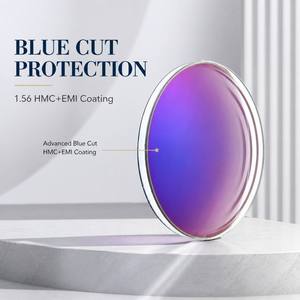
The boundary between ophthalmic prescription optics and lifestyle vintage sunglasses is dissolving. Modern retail patients demand vintage rimless or geometric frames equipped with multi-spectrum variable tinting (UV and high-energy visible light activation), transitioning from clear 1.56/1.61 indoors to 85% solid tint under direct sunlight within 45 seconds.
While classical 1950s vintage frames were characterized by heavy 8mm acetate profiles that exerted uncomfortable nasal bridge pressure, forward procurement emphasizes micro-milled interior bevels and featherweight beta-titanium wire cores, reducing overall frame assembly weight below 18 grams without compromising vintage aesthetics.
Answers to critical regulatory, logistical, and material questions encountered during high-volume eyewear international shipping and customs clearance.