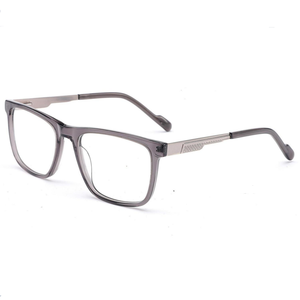
Explore our factory-direct selection of specialized anti-blue light gaming eyewear, ultra-light pure titanium optical frames, high-index substrate lenses, and handmade organic acetate spectacles manufactured to rigorous international optical standards.
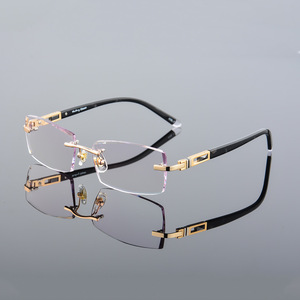

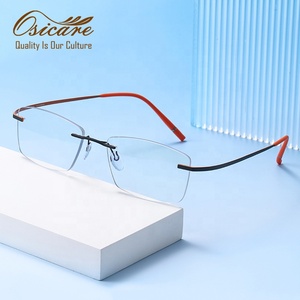
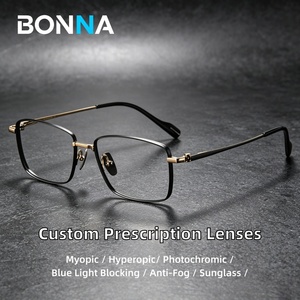
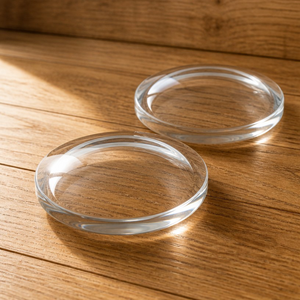
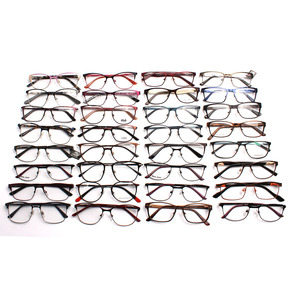
Operating as an OEM/ODM powerhouse, we integrate European artisanal aesthetics with high-throughput Asian precision manufacturing. From custom tooling to nano-vacuum multi-layer coatings, our factory eliminates the trade-off between design sophistication and industrial scalability.
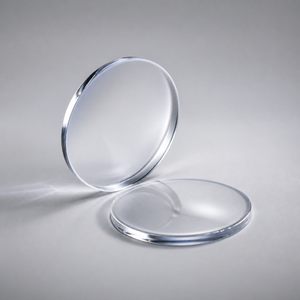
Rather than utilizing cheap surface film sprays that degrade over time, our lenses employ Japanese MR-8 monomers and specialized bio-monomer resins. Our in-mass blue light filtering prevents hazardous light transmission between 415nm and 455nm while preserving optical clarity across the visible spectrum.
Taking architectural inspiration from classic European eyewear, our structural frames fuse featherweight Japanese titanium with hand-polished cellulose acetate. Each rimless mount, diamond-cut beveled edge, and custom hinge barrel undergo 72-hour continuous tumbling and rigorous stress-testing to guarantee fatigue resistance.
We bridge the divide between large-batch contract manufacturing and agile boutique optical planning. With comprehensive ready-to-stock inventories, rapid prototyping turnaround (5–7 days), and low minimum order tiers for bespoke laser engraving, private-label packaging, and custom dip-dye tints, we accelerate your time-to-market.
Modern display ergonomics, circadian rhythm neuroscience, and hybrid working conditions have permanently altered the functional requirements of digital eyewear. Below is an engineering overview of market transitions and procurement roadmaps.
Historically, commercial anti-blue light glasses relied entirely on physical vapor deposition (PVD) vacuum reflection coatings. While cost-effective, these legacy vacuum coatings introduced three major commercial liabilities: an aggressive, unappealing blue-purple surface glare, substantial optical ghosting during video calls, and a residual amber/yellow base tint that distorted digital color reproduction.
Leading enterprise buyers are pivoting toward HEV420 substrate absorption chemistry. By injecting active organic absorbers directly into raw MR-8 or CR-39 liquid monomers prior to thermal curing, the lens captures 100% of UV rays and selectively neutralizes peak cytotoxic radiation (415nm–445nm) internally. The surface is then treated with an ultra-low reflectance achromatic green or invisible anti-reflective (HMC) stack, achieving a luminous transmittance (Tv) rating exceeding 93%.
Commercial optical buyers face tightening margins and heightened clinical scrutiny from opticians and retail customers. Winning procurement strategies are heavily focused on modularity and dual-purpose inventory.
1. Circadian Shift Segmentation: Retail catalogs are segregating day-use "Clear Screen" lenses (blocking 30-40% HEV to prevent asthenopia without disturbing melatonin) from specialized "Night Shift / Pro Gaming" lenses (blocking 65-90% up to 500nm to promote natural sleep latency).
2. Hybrid Composite Structural Frames: Bulk purchasing patterns demonstrate a departure from brittle injection plastics. Buyers now specify surgical stainless steel and beta-titanium chassis paired with handmade cellulose acetate tips—enabling optical retailers to cold-bend temple tips for personalized anatomical fitting.