
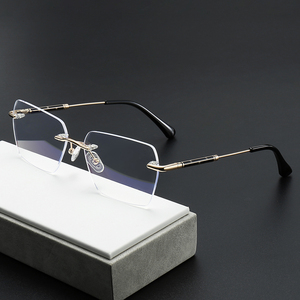
SKU: 24004 · Executive Rimless
24004 Luxury Designer Gafas Custom Logo Brand Male Wholesale Optical Eye Glasses Rimless Spectacle Frame for Men
Titanium Temples
Contact Us
Engineered with anatomical nasal arch geometries, medical-grade hypodermal comfort, and climate-hardened hardware designed specifically for professional glazing.

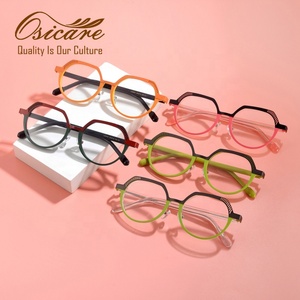
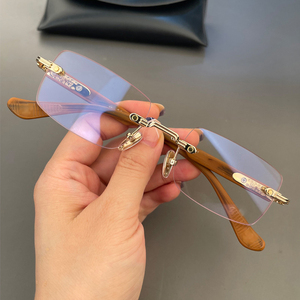
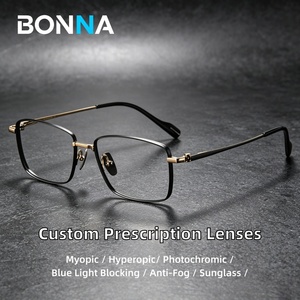


Strategic procurement considerations, biometric nasal bridge customization, and galvanic surface defense in coastal West Africa.
The ophthalmic healthcare and boutique eyewear sector in Ghana is undergoing an unprecedented modernization cycle. Independent optometry practices across the Greater Accra Region, Kumasi Metropolis, and expanding urban hubs like Takoradi and Tamale are transitioning away from unbranded, low-density polycarbonate reading frames. In their place, optical clinicians and commercial distributors require reliable original equipment manufacturing (OEM) and bespoke private label production that meets stringent medical device tolerances while resisting tropical environmental stress.
Operating an optical dispensing practice in West Africa presents engineering variables rarely addressed by mass-market manufacturers. Frames supplied to coastal centers like Accra and Sekondi-Takoradi are continuously exposed to elevated relative humidity levels (averaging 75% to 85%), ambient saline air from the Gulf of Guinea, and intensive UV radiation. Conventional decorative electroplating rapidly oxidizes, yielding green copper carbonation, skin dermatitis at the mastoid contact points, and premature structural stress cracks in the lens eyewires. As a specialized bespoke optical frames factory and international supplier, we integrate chemical passivity treatments, vacuum ion PVD coating, and certified hypoallergenic cellulose acetate to deliver prolonged durability and clinical excellence.
How customized frame architecture solves slippage, vertex distance anomalies, and galvanic degradation.
Standard European and East Asian optical bridges often cause optical vertex distance misalignment on African facial profiles. Our bespoke frames feature modified splay angles, broadened nasal contact planes (18mm–22mm), and deeper pad arms that eliminate bridge pinching while stabilizing high progressive lens prescriptions.
Cellulose acetate sheets undergo a strict 90-day oven-aging protocol to eradicate internal solvent moisture before 5-axis CNC routing. This guarantees the eyewear will not warp, unseat base curves, or lose lens retention during seasonal Harmattan thermal transitions or coastal wet cycles.
To resist galvanic micro-corrosion triggered by ambient salt air and human perspiration acidity, our metal chassis feature a triple-layer micron plating stack: copper strike, acid gold/palladium barrier, and micro-ceramic PVD hard topcoats compliant with ISO 12870 standard.
A granular side-by-side technical evaluation for optical directors, institutional hospital buyers, and dispensary planners.
| Evaluation Parameter | Our Bespoke Factory Specifications | Standard Commercial Wholesale Imports | Clinical Impact on Glazing in Ghana |
|---|---|---|---|
| Acetate Raw Material | Eco-friendly Mazzucchelli-grade high-density bio-acetate (cotton linters) | Recycled post-industrial scrap or low-grade injection plastic | Prevents temple shrinkage, discoloration, and skin allergies in hot climates |
| Titanium Composition | Grade 5 Beta-Titanium (Ti-15V-3Cr-3Sn-3Al) with memory recovery | Basic copper-nickel alloys labeled deceptively as "titanium" | Guarantees ultralight weight (<9 grams), perfect spring tension, zero rust |
| Hinge Architecture | 5-barrel and 7-barrel machined block hinges with Teflon-coated lock screws | Friction-fit 3-barrel stamped hinges with unthreaded pins | Eliminates temple loosening; withstands over 25,000 continuous flex cycles |
| Bevel Channel Precision | CNC micro-milled V-bevel with calibrated 115-degree groove angle | Rough cast or stamped channel with high axial variances (±0.3mm) | Enables seamless automatic edging for 1.67 and 1.74 high-index prescription lenses |
| Surface Hardness & Coating | Double-baked hard-lacquer seal + physical vapor deposition (PVD) | Flash gold dipping without secondary sealing barrier | Survives high-humidity and human sweat without peeling or pitting |
Tailored supply architectures engineered for regional market realities from Accra high streets to regional eye outreach programs.
High-end clientele in neighborhoods like East Legon, Cantonments, and Airport Residential demand European-level aesthetic refinement. We supply bespoke handmade acetate frames with bespoke core-wires, custom bevels, and gold/palladium plating that rival heritage fashion houses, allowing clinics to capture 400%+ retail dispensary margins.
Contact UsFor high-volume retail hubs surrounding Adum and the Kejetia commercial complex, inventory velocity and structural durability are essential. Our universal rectangular and geometric frames offer flexible temple tips and progressive-lens friendly B-measurements (depth >34mm) that satisfy daily middle-class prescription demands.
Contact UsWith Accra’s financial core (Ridge, High Street) and Ghana’s mining sector (Tarkwa, Obuasi) demanding occupational eye safety, we provide custom anti-blue light and photochromic-ready titanium and rimless frames. These lightweight models reduce eye strain during extended monitor sessions without compromising professional elegance.
Contact UsKey economic and clinical drivers shaping optical procurement across the ECOWAS corridor.
1. The Surge in Private Practice Brand Autonomy: Optical clinicians in Ghana are progressively bypassing third-party regional traders in favor of direct manufacturer alliances. By establishing proprietary private label brands (OEM), optometry clinics retain client loyalty instead of promoting multinational licensed logos that can be cross-shopped online. Our bespoke laser engraving, pad printing, and tailored clamshell packaging empower Ghanaian practices to launch exclusive private label optical lines.
2. Progressive Lens Adaptability & Presbyopia Demands: As Ghana’s urban workforce ages, the incidence of presbyopia has spurred high demand for multifocal and freeform progressive lenses. Many cheap imports feature shallow frame depths (<28mm B-measurement), truncating the progressive reading corridor. Our bespoke frame catalog prioritizes minimum 32mm–38mm B-dimensions, providing optical labs in Ghana with optimal vertical corridors for smooth distance-to-near power transitions.
3. AfCFTA and the Strategic Hub Status of Ghana: With the secretariat of the African Continental Free Trade Area (AfCFTA) headquartered in Accra, optical enterprises based in Ghana are ideally positioned to act as sub-regional distribution channels into Côte d'Ivoire, Togo, Benin, and Nigeria. Partnering with our factory allows Ghanaian distributors to import consolidated sea freight via Tema Port or express air freight through Kotoka International Airport (ACC), enjoying optimized volumetric packaging and duty-efficient documentation.
Adopting world-class frame board curation principles to maximize inventory turnover and eliminate dead stock.
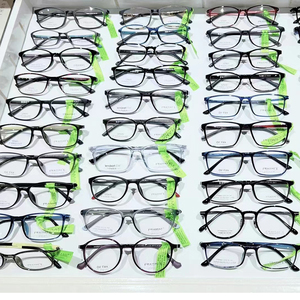
Rather than flooding your clinic boards with dozens of redundant rectangular black frames, we assist practices in curating a balanced optical assortment: 45% core everyday optical, 30% architectural geometric shapes, 15% high-prestige titanium rimless, and 10% seasonal statement pieces.
Every frame shipment includes complete optical metrics (A, B, DBL, ED, temple length), pantoscopic angle data, and trace files compatible with automated lens edging systems such as Essilor, Nidek, and Briot, reducing glazing scrap rates to less than 0.5%.
We recognize the financial constraints of expanding private optometric clinics in Ghana. Our flexible tiered OEM programs provide pilot production batches from 100 to 300 pieces per model, allowing you to validate local market acceptance without locking up prohibitive working capital.
Clear, practical answers on shipping logistics, regulatory compliance, branding, and billing terms.