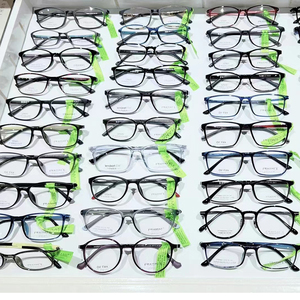
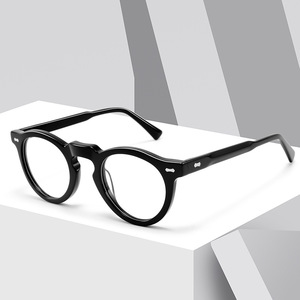
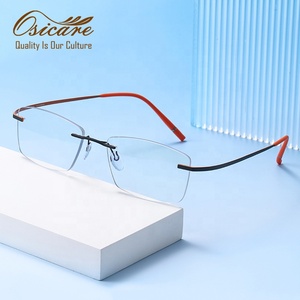
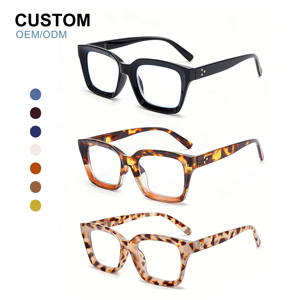
Explore our export-ready wholesale optical series engineered with advanced carbon composites, aeronautical-grade titanium alloys, high-density cellulose acetates, and ophthalmic precision lenses tailored for the Nigerian optical trade.
Why modern West African dispensaries and eyewear retailers are pivoting from conventional metals to advanced carbon composites and aerospace alloys.
Tropical weather in coastal hubs like Lagos and Port Harcourt introduces extreme relative humidity (often exceeding 85%) paired with saline ocean breezes. Low-grade base metals rapidly suffer from galvanic oxidation, surface peeling, and green verdigris deposit accumulation around sweat points. Multi-layer carbon fiber composite, bound by high-grade epoxy matrices, is completely inert to perspiration acids, salt sprays, and thermal expansion.
For executive professionals in Victoria Island, Abuja corporate corridors, and tech developers across Yaba, eyewear needs to sit securely without constant slipping during active commutes or generator outages. Carbon fiber weaves paired with Beta-Titanium memory temples deliver elastic flex memory. They retain calibrated temple opening angles over 50,000 hinge cycles without becoming loose, deformed, or losing facial grip.
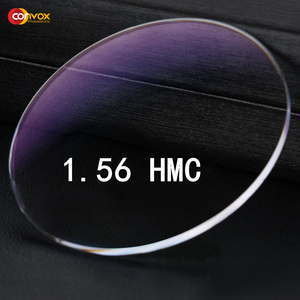
Glaucoma, high astigmatism, and high myopia require thick ophthalmic lens edges. Traditional ultra-thin wire frames often buckle under the lens tension of a -6.00D or +4.00D blank. Carbon fiber optical fronts possess structural rigidity that resists torsional warping, preventing lens pop-outs and preserving optical axis alignment in high-index 1.56, 1.61, and 1.67 lens assemblies under fluctuating ambient temperatures.
A technical comparison demonstrating why high-tensile carbon composite provides substantial product lifecycle value for commercial procurement managers.
| Performance Characteristic | Aero-Grade Carbon Fiber | High-Density Cellulose Acetate | Nickel Silver / Monel Alloy | TR90 Thermoplastic |
|---|---|---|---|---|
| Frame Weight (Front + Temples) | 11.8g - 16.5g | 26.0g - 38.0g | 22.0g - 34.0g | 12.5g - 17.0g |
| Tensile Strength (MPa) | 850 - 1,200 MPa | 70 - 110 MPa | 400 - 650 MPa | 80 - 130 MPa |
| Sweat & Saline Resistance | 100% Non-Reactive / Zero Pitting | Gradual whitening / Loss of gloss | Galvanic green verdigris / Plating peel | High chemical inertness |
| Structural Memory Retention | Exceptional (Reinforced Epoxy Matrix) | Requires frequent optometric heating | Permanent deformation under bend | High flexibility, moderate retention |
| Optical Dispensary Markup Potential | 3.5x - 5.0x (High-Tech Luxury Segment) | 2.0x - 3.0x (Standard Fashion) | 1.8x - 2.5x (Budget Segment) | 1.5x - 2.2x (Mass Market Utility) |
How macroeconomic shifts, digital screen proliferation, and corporate health awareness are transforming frame procurement across key Nigerian commercial centers.
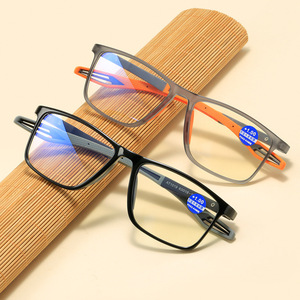
With Lagos standing as Africa's premier technology and fintech capital, daily screen consumption among programmers, financial analysts, and corporate workers routinely exceeds 9 to 11 hours. Retail opticians report an 80% surge in requests for plano and prescription anti-blue light treatments. Carbon fiber and TR90 frames fitted with clear 1.56 ophthalmic block lenses provide lightweight comfort during extended computer sessions, preventing bridge fatigue and chronic headache triggers.
Currency fluctuations and import cost realities have altered Nigerian consumer behavior. Discerning optical patients in Lekki, Ikoyi, Victoria Garden City, and Maitama Abuja are rejecting brittle, disposable wire frames that fail within three months. Retail buyers are intentionally curating inventories around robust carbon fiber, surgical titanium alloys, and hand-finished premium acetates, where durability justifies higher initial patient spend.
Eyewear in Nigeria is an essential signifier of status, executive gravitas, and sartorial discernment. Modern Nigerian executives, doctors, and civic leaders demand geometric and minimalist frame profiles that complement formal traditional attire—such as Agbada and Senator styles—as naturally as tailored Savile Row business suits. Carbon fiber's signature woven cross-hatch texture adds a discreet, high-tech luxury aesthetic without gaudy logos.
Combining European designer portfolio standards, factory-direct manufacturing agility, and frictionless West African freight clearing logistics.
Our frame manufacturing, quality verification, and structural tolerances follow the rigorous craft standards found across renowned European design houses in France, Germany, and Italy. Every carbon composite temple and rim undergo stringent mechanical stress testing, high-temperature resistance checks, and hinge-torque calibration to guarantee flawless board presentations in top-tier optical boutiques.
We solve cash-flow friction for growing optical chains and independent distributors. Our supply pipeline maintains over 150,000 frames ready in mixed inventory batches. Whether you require a boutique trial box of 50 assorted carbon and titanium frames or full container exports, we accommodate flexible minimum order quantities with private label laser engraving options.
We remove cross-border import anxiety. Partnering with established freight clearing channels serving Lagos (Murtala Muhammed International Airport cargo terminal and Apapa port), Kano, and Abuja, our export desk manages complete customs declarations, Form M compliance support, commercial packing lists, and certified air-freight door-delivery within 7-12 business days.
In-depth operational answers covering payment settlements, shipping channels, prescription glazing, and custom branding.
We work with established air and sea freight consolidators specializing in the China-to-Nigeria corridor. For express air shipments to Lagos or Abuja, average transit time is 7 to 12 working days, fully inclusive of local customs inspection clearance and import duties. For bulk sea freight to Apapa Port or Tin Can Island, transit averages 35 to 45 days. You may use your preferred freight agent in Guangzhou or utilize our door-to-door clearing solutions.
We accommodate secure international payment channels including Telegraphic Transfer (USD T/T), Letters of Credit (L/C for bulk commercial contracts), and international bank wire. Furthermore, we facilitate arrangements with local third-party payment desks and authorized domiciliary accounts to simplify foreign exchange transactions and reduce conversion bottlenecks.
We understand that optical dispensaries require variety on their frame boards rather than excessive units of identical models. Our wholesale program allows you to curate mixed-lot orders across carbon fiber, rimless titanium, TR90 blue-light blockers, and premium acetate designs. This enables opticians to present a well-rounded collection across different price tiers and aesthetic tastes.
Our carbon fiber eyewear fronts feature a precision micro-groove optical bevel engineered to secure lenses firmly without slippage or excessive pinch strain. When fitting high minus or plus lenses (from -8.00D to +6.00D), the rigid composite frame front prevents bowing, ensuring accurate vertex distance, pantoscopic tilt, and pupillary axis alignment for progressive and bifocal wearers.
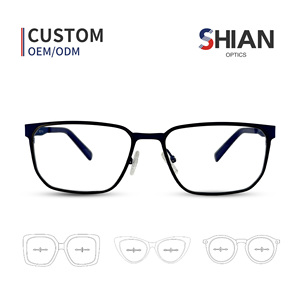
Yes. For optical chains, hospital dispensaries, and brand owners seeking to develop proprietary brands, we offer high-precision laser marking, pad printing, and temple hot-stamping. We can print your brand logo, collection names, model numbers, and CE markings directly onto temples and demo lenses, alongside customized hard cases, microfiber cloths, and outer presentation boxes.
Harmattan seasons bring dry, abrasive airborne dust, while tropical rainy seasons elevate heat and moisture. Carbon fiber frames are non-porous and finished with UV-cured scratch-resistant coatings. They do not absorb atmospheric particulate dust, expand in extreme heat, or dry out and turn brittle over time, ensuring years of structural resilience in harsh West African environments.
Partner directly with an established international eyewear manufacturer and exporter. Request our comprehensive wholesale catalog, factory-direct price list, and sample evaluation packages for Nigeria.
Send an Inquiry