Direct factory production models supporting Class I Medical Device certification, high-index Rx glazing, and proprietary hypoallergenic hardware.
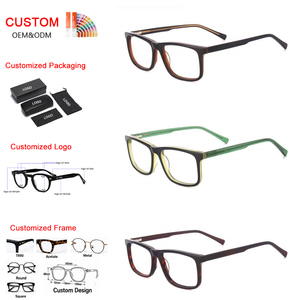
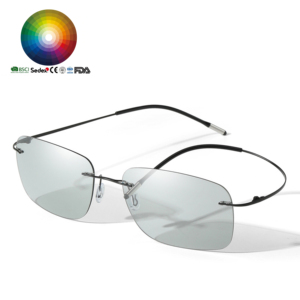
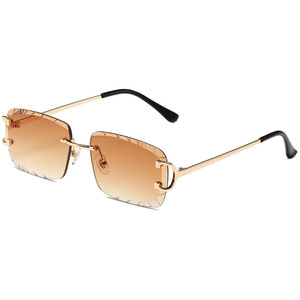

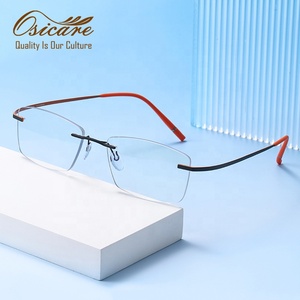
In the evolving landscape of independent Canadian optical retail, the procurement of spectacle frames demands a level of rigorous material accountability that bridges stylistic innovation with stringent medical device regulations. Cat eye frames, historically rooted in expressive mid-century fashion, have transitioned into an architectural staple within luxury clinics and independent boutique practices across Toronto, Montreal, Calgary, and Vancouver. However, exporting ophthalmic goods to Canada introduces multifaceted technical, logistical, and environmental considerations that generalist manufacturers frequently overlook.
Under the Canadian Food and Drugs Act and its Medical Devices Regulations (SOR/98-282), non-corrective spectacle frames intended for prescription ophthalmic lenses are classified as Class I Medical Devices. While Class I devices do not require a formal pre-market device licence in Canada, Canadian importers and distributors must hold an active Medical Device Establishment Licence (MDEL) unless exempted under Section 44. To protect Canadian licence-holders from severe non-compliance liabilities, offshore manufacturing facilities must strictly comply with internationally harmonized standards, notably CE EN ISO 12870:2018 (Ophthalmic optics — Spectacle frames — Requirements and test methods) and ISO 13485 (Medical devices — Quality management systems).
Regulatory Integrity Assurance: Our CE-certified manufacturing framework ensures that every cat eye optical frame exported to Canada provides complete Technical Construction Files (TCF), ISO 10993 cytotoxicity and skin sensitization biocompatibility data, and nickel-release certifications complying with European REACH and Canadian Product Safety standards.
Beyond regulatory harmonisation, optical engineering for Canada requires structural resilience against extreme thermal cycling. The Canadian climate subjects eyewear to abrupt shifts: from indoor heated environments of +22°C to sub-zero exterior temperatures dropping below -30°C in provinces such as Alberta, Saskatchewan, Manitoba, and Quebec. Sub-standard cellulose acetate propionate or injection plastics experience plasticizer leaching, severe embrittlement, and micro-cracking around the eyewire groove under thermal stress. This results in premature lens pop-outs during glazing or stress fractures along high-tension cat eye upsweep points. Our manufacturing protocols utilize cold-stabilized high-density cellulose acetate (HDCA) and surgical-grade beta-titanium, retaining structural elasticity and bridge apex integrity down to -35°C.
How our specialized cat eye silhouettes address distinct demographic, climate, and dispensing environments across Canadian provinces.
Boutique practices in Toronto’s Yorkville, Vancouver’s Kitsilano, and Montreal’s Mile End require frame collections that do not compete with mass-market corporate chains. Our architectural cat eye designs integrate laminated acetate bevels and customized multi-barrel German hinges, providing opticians with the tactile luxury narrative necessary to command high private-pay price points.
Urban professionals in Calgary and Toronto demand frames that transition seamlessly from intensive digital monitor workflows to executive boardrooms. By pairing sleek, semi-rimless cat eye silhouettes with blue-light filtering substrates and balanced pantoscopic angles, our frames relieve digital visual stress while accentuating facial bone structure.
In regions enduring harsh Canadian winters, metal frame components can cause contact skin cold-burns or become brittle. Our insulated hybrid cat eye frames utilize bio-compatible acetate inner rings and medical-grade silicone nose pads that maintain tactile suppleness, preventing slip caused by perspiration transition when entering heated interiors.
Canada’s population diversity requires varied bridge geometries. Our production lines manufacture both Universal Fit cat eye frames and specialized Alternative Fit (Asian Fit) configurations with deepened pad arms, built-up nasal bridges, and reduced pantoscopic wrap to eliminate cheek contact on diverse facial profiles.
Cat eye silhouettes often present challenges for high-minus prescription lab edging due to temporal edge thickness. Our Canadian-optimized cat eye designs feature calibrated eyewire depths (up to 4.2mm) that conceal thick lens edges, allowing lab technicians across Canada to mount up to -8.00D lenses cleanly without aesthetic distortion.
A frequent flaw in modern cat eye frames is excessive nasal cutout that clips the progressive reading corridor. Our engineers maintain a minimum B-measurement of 38mm across all optical cat eye lines, ensuring complete progression fidelity for premium Freeform progressive lenses prescribed by Canadian doctors of optometry.
Data-backed shifts shaping consumer purchase intent, wholesale procurement margins, and clinical expectations in Canada.
Canadian optical consumers, particularly in coastal urban centres, actively seek eco-conscious eyewear. We have introduced bio-circular cellulose acetate formulated without phthalate-based plasticizers, achieving 100% biodegradability in industrial compost environments while maintaining classic Italian hand-polishing luster.
The marketplace has moved away from delicate wireframes toward expressive, bold profiles. Geometric, multifaceted cat eye designs with diamond-faceted bevels dominate high-margin frame boards, generating strong organic social visibility for independent practices.
Weight reduction remains a primary purchasing criterion. Contemporary trends favor hybrid frames combining ultra-thin Japanese titanium cores with Italian acetate rims, cutting overall frame weight by up to 34% while increasing hinge cycle durability beyond 20,000 actuations.
Cross-border customs inspections by the CBSA and Health Canada are enforcing strict bilingual (English/French) declarations under the Consumer Packaging and Labelling Act. Our turnkey Canadian export packaging is pre-certified bilingual, preventing border clearing rejections.
Drawing from decades of European brand portfolio management and precision contract manufacturing, we engineer frames that protect your brand equity.
Our design philosophy mirrors European artisanal standards—focusing on proportion balance, subtle chamfering, and expressive color palettes. We avoid derivative mass designs in favor of distinctive geometric profiles that allow Canadian dispensaries to build defendable margins away from saturated corporate chain store lines.
Every frame is cut from stabilized acetate slabs using precision 5-axis CNC machining, followed by a proprietary 72-hour wet-and-dry tumbling process with Italian beechwood chips and pumice paste. This produces an enduring, high-gloss micro-finish that resists skin acid corrosion and winter salt aerosol.
We provide comprehensive supply chain transparency. Canadian B2B partners receive full declarations of conformity for CE EN ISO 12870, material trace certificates, drop-ball impact safety compliance test reports, and fully localized bilingual packaging configurations ready for immediate retail display.
Clear, direct answers regarding customs, logistics, regulatory compliance, and frame board planning in Canada.
Connect with our technical eyewear manufacturing specialists today. Review physical sample kits, request our CE Technical Construction Dossier, or discuss private-label OEM terms for your dispensary.