Delivering high-performance, environmentally responsible prescription spectacles, blue-light blocking lenses, and specialized optics configured for Sri Lanka's emerging optical marketplace.


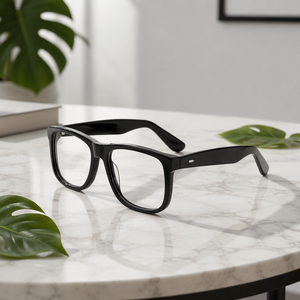
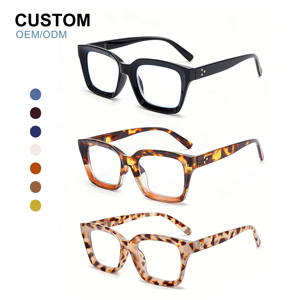
The global eyewear supply chain is navigating an unprecedented structural shift towards sustainable stewardship, circular economy compliance, and bio-compatible materials. As Sri Lanka accelerates its economic resurgence and modernizes optical retail healthcare, private ophthalmic clinics, retail dispensing chains, and optical distributors throughout Colombo, Kandy, Galle, Negombo, and Jaffna are re-evaluating frame inventories.
Historically reliant on conventional fossil-fuel-derived petroleum acetates and cheap nickel-heavy electroplated alloys, the island's dispensing opticians face dual challenges: high rejection rates triggered by rapid tropical degradation and the rise of an environmentally discerning urban demographic demanding authenticated eco-friendly products. As an international manufacturing plant with specialized extrusion and injection lines, we engineer high-grade sustainable eyewear specifically built to thrive in South Asian maritime climates.
Our manufacturing operations utilize M49-compliant bio-based acetates synthesized from renewable wood pulp and cotton lint flakes, bound with non-phthalate bio-plasticizers. Unlike standard plastics that persist for centuries in landfills, our bio-acetate frames biodegrade naturally under industrial composting parameters (ISO 14855) while preserving the lustrous tactile depth, thermal adjustment capabilities, and structural tensile strength demanded by master opticians.
| Material Property Metric | Bio-Based Cellulosic Acetate | Ultra-Light TR90 Polymer | Conventional Petroleum Acetate |
|---|---|---|---|
| Bio-Renewable Carbon Ratio | 65% – 72% (Bio-Content) | Eco-Blend Re-pelletized Matrix | < 5% (Petrochemical Feedstock) |
| Tropical High-Humidity Stability | Dimensional Expansion < 0.12% | Zero Water Absorption (Hydrophobic) | High Swelling & Core Delamination Risk |
| Skin Biocompatibility (Dermatitis Safety) | ISO 10993 Certified Non-Irritant | Hypoallergenic Food-Contact Safe | Phthalate-Leaching Plasticizers Possible |
| Average Frame Weight (Base-Zero Glazing) | 16g – 22g | 9g – 13g | 24g – 34g |
Engineered to overcome tropical humidity, maritime salt-aerosol corrosion, and rapid urban digital screen expansion.
Coastal optical retailers face constant customer complaints regarding green oxidization patches on metal hinges and temple screws. Our frames feature 5-barrel stainless steel and titanium hinges treated with multi-layer PVD vacuum plating, enduring over 500 hours of continuous salt-fog exposure without surface peeling or galvanic corrosion.
Sri Lanka's expanding software development, BPO, and financial services sectors across Colombo require specialized ocular ergonomics. Our precision-engineered SHIAN PC anti-blue lenses integrate selective wave-attenuation technology that targets the harmful 415nm–455nm blue light spectrum while preserving high chromatic fidelity for designers and programmers.
Significant daily thermal cycling in the central hill country frequently causes micro-fissuring and warping in low-grade frames. Our flexible TR90 memory polymer frames maintain elasticity and shape recovery from 5°C to 45°C, ensuring opticians achieve accurate base-curve bevel retention without unexpected lens popping.
Several macro-economic and consumer shifts are driving optical demand in Sri Lanka. Wholesale buyers and optical practice owners are adapting their procurement strategies to address four transformative trends:
Over 42% of urban eyecare patients in Sri Lanka demonstrate a preference for dispensaries that carry verified sustainable, carbon-neutral, or recyclable eyewear lines with transparent material sourcing.
To preserve margin against fluctuating currency exchange rates, independent opticians are transitioning from intermediary regional trading hubs directly to verified ISO-compliant manufacturing plants.
Standard European fits often slide on flatter nasal profiles. Sri Lankan clinics prioritize modified low-bridge designs with elevated nose pads and ergonomic pantoscopic tilt angles.
Our factory combines precision European-inspired engineering with scalable manufacturing capacity. Every batch intended for the South Asian market undergoes strict metrological verification, automated stress simulation, and material authentication.
Utilizing high-precision 5-axis German CNC milling machinery, we achieve tolerances within ±0.02mm, ensuring bevel alignment for premium 1.56, 1.61, and 1.67 index resin ophthalmic lenses.
Every frame shipment includes verifiable material declarations, conforming strictly with European Directive Regulation (EU) 2017/745 (MDR) and international ISO 12870 mechanical performance standards.
We maintain end-to-end export corridors serving Colombo Port (CP) and Bandaranaike International Airport (CMB) with comprehensive customs clearance dossiers, Form-e certificates, and sea-freight consolidation.
Clear answers to key questions regarding customs clearing, MOQ flexibility, climate resilience, and frame glazing.
Connect directly with our engineering and export desk to request technical specifications, physical sample kits, or tailored price catalogs for Sri Lankan optical dispensaries and distributors.
Send an Inquiry