Precision-engineered frames and specialized ophthalmic lenses engineered to strengthen retail differentiation, optimize frame board turnover, and withstand Australasia's distinct maritime environment.
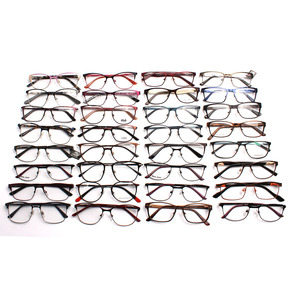
The ophthalmic retail landscape in New Zealand presents a unique set of competitive dynamics for independent optometry practices, boutique dispensing opticians, and regional optical partnerships. While multi-national corporate consolidators leverage aggressive loss-leader pricing models and standardized house-brand frames, independent practices throughout the North and South Islands survive and thrive based on clinical rigor, bespoke patient consultations, and, most critically, high-integrity curation of their optical frame boards.
A practice's "frame board" is not merely physical display furniture; it represents the primary visual currency and financial engine of the dispensing room. In an independent New Zealand practice carrying between 400 and 1,000 board positions, every frame slot must achieve an optimal turnover velocity (target: 2.2x to 3.5x turns annually) while commanding healthy gross margins that buffer rising operational overheads, clinical equipment depreciation, and optometrist remuneration.
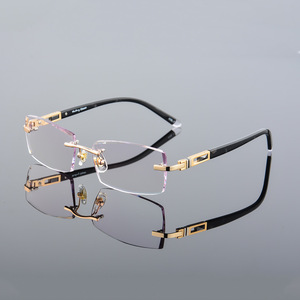
Information Gain Metric: Standardized corporate frame supply agreements routinely mandate 60-80% board fill with high-volume, generic private labels characterized by high plasticizer migration and weak soldered nickel alloys. Independent optical factories bridging direct export into New Zealand allow clinic owners to secure European-grade high-density cellulose acetate (Mazzucchelli-spec equivalents) and Japanese-spec beta-titanium at direct manufacturer cost points, doubling dispensing margins while eliminating brand dilution.
Furthermore, sourcing directly from audited, export-dedicated optical manufacturing hubs circumvents regional middle-tier wholesale distributor markups (frequently running 45% to 65% above ex-factory tariffs). This enables Kiwi practices across Auckland, Wellington, Christchurch, Dunedin, and Tauranga to retain healthy margins while offering retail patients uncompromising durability, hypoallergenic skin compatibility, and superior ocular ergonomics.
To successfully import, clear, and dispense spectacle frames and optical lenses across New Zealand, manufacturing partners must operate under full harmonization with joint Australian and New Zealand regulatory frameworks overseen by Medsafe (New Zealand Medicines and Medical Devices Safety Authority) and the Fair Trading Act.
| Compliance Standard | Physical / Optical Parameter | Testing Protocol & Engineering Threshold | Significance for NZ Dispensaries |
|---|---|---|---|
| AS/NZS ISO 12870:2012 | Bridge Deformation & Endurance | Cyclic mechanical stress (500 cycles at 40 cycles/min) without fracture or permanent set > 5mm | Prevents bridge failure during high-minus lens glazing and cold-bevel pressure insertion. |
| EN 16128:2015 / AS/NZS | Nickel Release Rate | Prolonged skin contact release threshold < 0.5 μg/cm²/week after accelerated wear simulation | Zero dermatitis complaints; crucial for sensitive Caucasian and Polynesian patient dermis. |
| AS/NZS 1067.1:2016 | UV Solar Transmission | Category 3 & 4 luminous transmittance; strict spectral UV cut (280nm - 400nm) < 1% | Critical protection against extreme Southern Hemisphere UV index and ozone thinning conditions. |
| ISO 11999-1 / ASTM B117 | Coastal Salt-Spray Corrosion | 96-hour continuous neutral 5% NaCl aerosol exposure at 35°C without pitting or galvanic bubbling | Ensures hinges and barrel screws do not seize in maritime coastal winds (e.g., Wellington, Napier). |
Optical dispensing demands vary dramatically across the micro-climates, lifestyles, and demographics of New Zealand's regions. Our manufacturing framework tailors frame materials and optical lens properties to specific localized patient requirements.
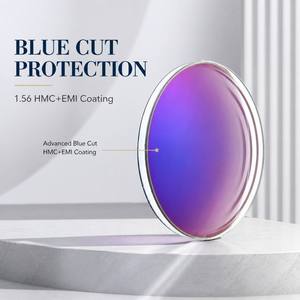
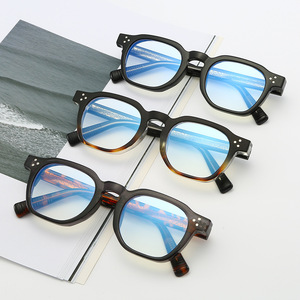
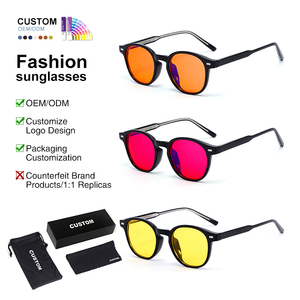
Serving corporate executives, software developers, and financial professionals who endure 10+ hours of daily screen time in climate-controlled office spaces. Dispensaries require sleek, lightweight architectural metal frameworks and custom anti-blue-light round PC glasses paired with 1.56 HMC EMI blue-cut lenses. These mitigate asthenopia, screen flicker, and circadian rhythm disruption without introducing aggressive cosmetic yellow residual reflections.
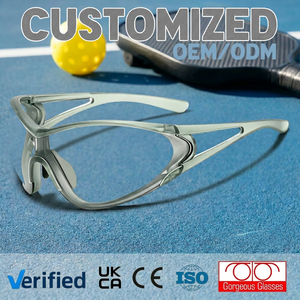
High-Density Urban Office DispensingPatients in the Southern Lakes and alpine basins experience extreme diurnal UV exposure and intense outdoor athletic activity (hiking, mountain biking, skiing, and pickleball). Here, practices prioritize high-impact memory TR90 clear and polarized frames that do not turn brittle at freezing sub-zero temperatures, alongside high-tensile 1.60 MR-8 lenses that absorb mechanical impacts without fracturing along drill points or faceted diamond bevel edges.
Extreme UV & Athletic PerformanceIn coastal locales from the Bay of Islands to Napier and Whangarei, ambient ocean salt spray rapidly corrodes inferior zinc-alloy frame hardware and substandard nickel plating within months. Our direct-export collections utilize electro-deposited titanium, monel alloys, and medical-grade silicone nose pads paired with stainless-steel 5-barrel hinges to deliver complete oxidation immunity and zero galvanic electrolytic corrosion under high-salinity atmospheric conditions.
Marine Grade Salt-Spray ResilienceEmerging consumer preferences and clinical practices are redefining how New Zealand optometrists and dispensing opticians structure their wholesale inventory and seasonal allocations.
Kiwi consumers lead globally in environmental awareness. Practices are systematically swapping conventional petroleum plasticizers for biodegradable cotton-linter and wood-pulp bio-acetates certified free of toxic phthalates, fulfilling local demand for sustainable luxury that can be recycled or biodegraded safely without microplastic residue.
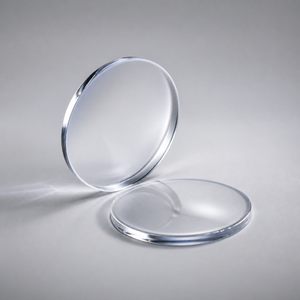
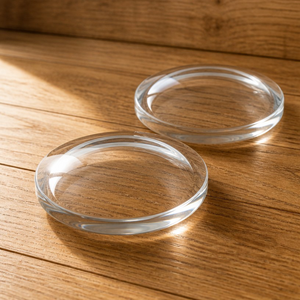
Eco-Credentialed MaterialsTo preserve margin and shorten patient delivery times, more independent NZ optometrists are investing in high-precision in-office patternless edgers (Essilor, Nidek, MEI). Direct factory sourcing of small-diameter 1.50 lenses, 1.56 HMC blanks, and 1.60 MR-8 high-tensile lenses lowers blank procurement overheads by over 60% compared to local finishing labs.
Direct Lab IntegrationAotearoa's multiracial demographic fabric—encompassing European ancestry, Maori, Pasifika, and Asian communities—requires broad variability in pantoscopic tilt, bridge vertex distances, and splay angles. Direct factory calibration allows independent practices to supply anatomical fits that eliminate nose slippage and uncomfortable temple pressure.
Inclusive Ergonomic DesignPractices are divesting from corporate-dominated designer licensing labels that sell concurrently in department stores and online discounters. Independent opticians are establishing their own private dispensary labels or partnering with boutique, non-conglomerate European & Asian manufacturers to guarantee exclusivity.
Protected Board ExclusivityWith optical heritage grounded in European aesthetic principles—channeling the rich chromatic layers of French design, the restrained mechanical proportion of German engineering, and the timeless artisanal elegance of Italian luxury eyewear—our export manufacturing base delivers bespoke precision at direct industrial scale.
Frames are milled from cold-cured cellulose acetate blocks on ultra-precise German-engineered five-axis CNC routers. This maintains tight tolerance control (±0.05mm) across lens eye-wires, ensuring zero lens pops, effortless bevel seating, and perfect symmetry across wide prescription diopter ranges.
Rather than relying on chemical dip lacquering that yellows and flakes under intense UV radiation, every acetate front and temple undergoes 72 hours of multi-stage tumbling in natural Bavarian beechwood and Italian walnut shell chips infused with carnauba waxes, yielding a luminous, scratch-resistant deep tactile luster.
We eliminate trading intermediary markups. Orders are packed in climate-sealed, shock-resistant containers and dispatched via prioritized international express corridors to Auckland International (AKL) or Christchurch International (CHC), clearing customs effortlessly with full HS Code (9003.11 / 9003.19) documentation.
Direct technical answers to common legal, logistical, and optical engineering inquiries encountered by practice owners, dispensary managers, and optical lab technicians across New Zealand.
Eliminate intermediary markups, protect your dispensing exclusivity, and provide your New Zealand clientele with master-crafted cellulose acetate, beta-titanium, and high-performance ophthalmic lenses engineered to international standards.