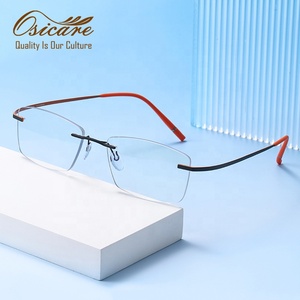
Engineered Mixed-Material Optical Assemblies & Hybrid Rx Components
Independent optical retail practices (Augenoptik-Fachgeschäfte) demand distinct structural integrity, zero-torsion galvanic resilience, and high wearability. Explore our premier German-engineered mixed-material frames, precision ophthalmic blanks, and lightweight architectural sunwear designed for discerning board differentiation.
0.02 mm
CNC Milling Tolerance Across German-Spec Titanium-Acetate Eye-Rims
50,000+
Cycle Stress-Tested Barrel & Screwless Flex Hinges (EN ISO 12870)
< 12.8 g
Ultra-Light Average Net Mass of Combined Beta-Titanium Hybrid Series
100%
Biocompatibility Verified: REACH Nickel-Release Compliant Surface Coatings
Architectural Metallurgy Meets Bio-Cellulose: The German Engineering Paradigm
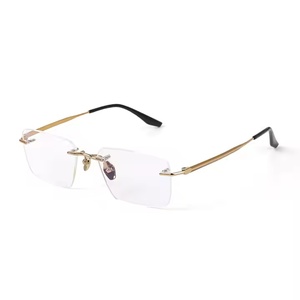
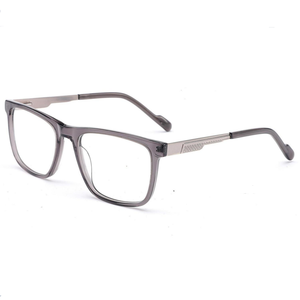
In the competitive German optical ecosystem—spanning metropolitan clinical boutiques in Frankfurt and Munich to historic optometric dispensaries across Baden-Württemberg—mixed material frames occupy the ultimate focal point of dispensing revenue. The intersection of Japanese Beta-Titanium alloys with high-density cellulose acetate (HDCA) or sustainable bio-polymers addresses the classic clinical dilemma: eliminating the cold industrial sterility of pure wireframes while eradicating the nose-bridge pressure fatigue inherent to dense plastics.
Our production facilities serving the German optical trade employ hybrid manufacturing workflows. The front eyewire is wire-cut and cold-rolled utilizing German DIN-standard tolerances, while acetate inner rims (windsors) are diamond-milled to an exact bevel fit. This structural integration mitigates mechanical stress during thermal glazing adjustments, allowing dispensing opticians to mount high-index toric lenses and complex progressive optics (Gleitsichtgläser) without risking eyewire torsion, chromatic lens warping, or premature galvanic degradation.
| Material Interface System | Tensile Modulus (GPa) | Corrosion Resistance | Prescription Glazing Suitability | Target Board Category |
|---|---|---|---|---|
| Beta-Titanium + Cured HDCA | 105 - 110 GPa | Extreme (Immune to perspiration salinity) | Full Rx Range (Up to -10.00 D / +6.00 D) | Executive / Architectural Luxury |
| Surgical Steel (1.4404) + TR90 | 190 - 200 GPa | High (PVD vacuum-sputtered finish) | Moderate to High Rx (-6.00 D max) | Dynamic Urban / Everyday Corporate |
| Raw Wood/Alloy Composite | 18 - 25 GPa | Moderate (Sealed organic resin matrix) | Standard Index Rx (-4.00 D max) | Artisanal Heritage Boutique |
| Carbon Fiber + Bio-Acetate | 150 - 230 GPa | Inert (Zero environmental reaction) | Unrestricted Rx Profiles | High-Performance Contemporary |
As independent retail dispensaries seek structural leverage against multinational corporate conglomerates, frame board optimization pivots directly to proprietary tactile value. Patients who trial mixed material frames immediately recognize the nuanced equilibrium: the weight distribution is shifted posterior toward the skull temples, lightening the optical load on the sensitive nasal bridge and lateral cartilage.
Dispensary Dynamics
Localized Application Scenarios in the German DACH Market
How specialized German opticians position mixed-material chassis across distinct demographic segments to maximize margin yields, average receipt values, and patient loyalty.
The DAX Corporate Executive & Legal Consultation
In financial centers like Frankfurt am Main and corporate suites in Düsseldorf, understated sophistication is compulsory. Jos. Eschenbach and Eschenbach-inspired German architectural styles leverage ultra-thin titanium bridges with muted tortoiseshell acetate rims. This configuration projects classical gravitas without visually dominating the wearer's facial expressions during negotiations and broadcast appearances.
Ergonomic High-Add Progressive Lens Dispensing
German opticians dispensing high-end individual progressive lenses (Free-Form Gleitsichtgläser) require absolute pantoscopic tilt and vertex distance stability. Pure acetate frames often slide down the nose bridge during prolonged desk work. Mixed-material frames with adjustable medical-grade titanium nose pads ensure that the progressive progression corridor remains millimetrically locked to the patient's pupil center.
Creative Studio & Tech Hub Sartorial Identity
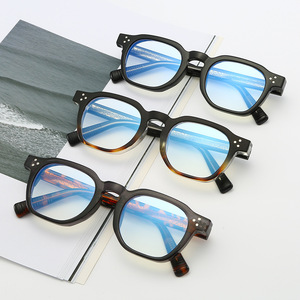
In creative clusters throughout Berlin-Mitte and Hamburg-Schanze, eyewear is an explicit design manifesto. Hybrid frames combining geometric brushed raw metals, vivid translucent laminates (such as French J.F. Rey or Italian VANNI silhouettes), and industrial exposed screwless hinges serve as statement pieces, driving recurring word-of-mouth dispensary referrals.
Macro Trends Shaping German Eyewear Procurement (2026–2030)
The German Federal Association of Opticians and Optometrists (ZVA) continues to record consumer polarization: while entry-level single-vision optical products face pricing pressure from online portals, the physical brick-and-mortar dispensary relies entirely on craftsmanship, material authenticity, and consultative clinical precision. Key structural shifts include:
1. The Mandate for Bio-Circular Formulations: German municipal end-consumers actively scrutinize supply chain origins. Traditional diethyl phthalate plasticizers are being replaced across our factory partners by plant-based triethyl citrate binders and certified FSC wood pulp cellulose. When fused with recyclable aerospace titanium, the resulting hybrid assembly meets rigorous German environmental criteria without compromising dimensional tensile memory.
2. PVD Ion-Sputtering Replacing Toxic Electroplating: Germany’s strict adherence to REACH Annex XVII and regional dermatological contact allergies has triggered the total obsolescence of decorative nickel flashes. Our mixed-material manufacturing pipeline incorporates Physical Vapor Deposition (PVD) titanium nitride and diamond-like carbon (DLC) coatings, creating hermetic barriers that resist human sebum, high acidity, and ultrasonic bath cleanings.
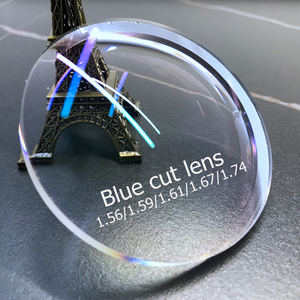
3. Low-Tolerance Rim Cavities for High-Index Thinning: With older demographics requiring higher optical corrections without heavy aesthetic bulk, German opticians rely on acetate eyewire inserts to mask substantial edge thicknesses of 1.67 and 1.74 minus lenses, while titanium temples preserve a razor-thin, featherweight silhouette profile.
Enterprise Sourcing Authority
Our Engineering Heritage & Factory Infrastructure Advantages
Drawing on an international supply portfolio that serves distinguished boutique retailers and independent distribution houses across North America and Europe, our mixed-material production ecosystem guarantees uncompromising structural excellence.
Curated Portfolio Cohesion
Like the premier collections distributed by Villa Eyewear—encompassing French technical mastery (J.F. Rey), German structural minimalism (Jos. Eschenbach), Italian heritage luxury (L.G.R), and expressive geometric design (VANNI, Woodys)—our OEM/ODM manufacturing protocols prioritize deliberate board roles over indiscriminate catalog redundancy.
Dispensing-Table Ergonomics
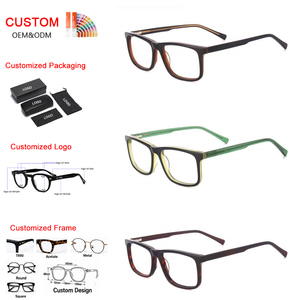
Every frame assembly is engineered alongside master opticians. We specify cold-bendable temple cores, micro-grooved screw threads that resist unseating under vibration, and standardized eyecup barrel widths that allow seamless lens cold-mounting without stress cracking.
Rapid Replacement Supply Chains
Retail optical buyers lose customer trust when replacement temple arms, bridges, or screw sets require multi-month lead times. Our synchronized logistics model pairs factory production batches with domestic regional inventory reserves, enabling rapid component dispatch for optical practice workshops.
Procurement Clarity
Frequently Asked Questions by German Eyewear Wholesalers & Opticians
Direct answers covering compliance, engineering specifications, private labeling, and dispensary stocking economics.
How do your mixed material frames ensure complete conformity with DIN EN ISO 12870?
All production lots undergo accredited third-party mechanical testing verifying cyclic endurance (50,000 opening/closing cycles), thermal dimensional stability (-20°C to +55°C without delamination of the acetate-metal interface), and perspiration immersion resistance pursuant to DIN EN ISO 12870 standards for CE / Medical Device Regulation (MDR) Class I status.
Can independent practices order small-batch private label runs with bespoke laser markings?
Yes. We support selective buying groups and independent boutique networks with flexible private-label programs. From pad-printed inner temples with German metric sizing (eye size, DBL, temple length) to high-resolution laser engraved metal end-pieces, we offer tailored minimum order quantities (MOQs) suited to boutique dispensaries.
How do you prevent galvanic corrosion between differing metallic alloys and acetate plasticizers?
Galvanic reactions occur when dissimilar metals exchange electrons in the presence of human sweat electrolyte. Our manufacturing process uses non-conductive polymeric gasket barriers between titanium mounts and underlying structural components, paired with multilayer PVD passivation, ensuring zero green copper-carbonate blooms or material pitting over years of continuous wear.
What is the recommended workshop procedure for heating and glazing windsor-rim mixed frames?
We recommend dry-air frame heaters regulated strictly between 50°C and 60°C. Because metal rim components expand at lower rates than cellulose acetate, overheating can deform the inner groove. Cold-glazing techniques with calibrated 0.5 mm lens bevels ensure optimal tension fit without generating birefringent stress patterns inside polarized or polycarbonate lenses.