Direct factory production models manufactured to CE, FDA, and ISO 12870 ophthalmic standards. Precision diamond-cut rims, micro-welded titanium alloys, multi-laminate bio-acetates, and ophthalmic blue-block polymers optimized for high-volume optical retail and wholesale distribution.
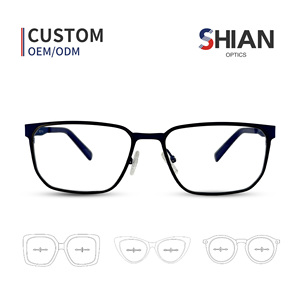
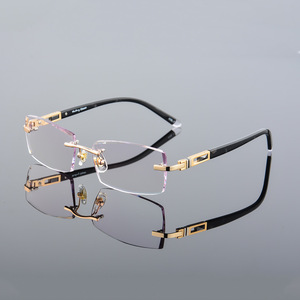
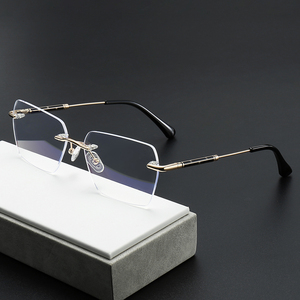



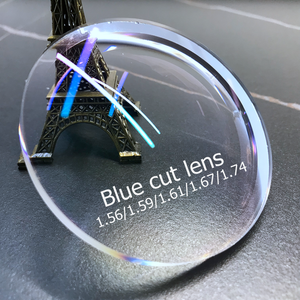
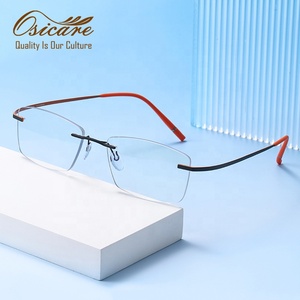
In the global eyewear economy, sourcing high-performance ophthalmic frames requires navigating a deeply stratified industrial supply chain. China accounts for more than 70% of worldwide optical frame and sunglass production, yet the distinction between tier-three assembly shops and advanced manufacturing centers determines retail shelf velocity, warranty loss ratios, and brand reputation for independent optical practices and international distributors.
Modern procurement directors evaluate optical suppliers not merely by FOB unit costs, but through an engineering lens: dimensional stability of acetate curing ovens, galvanic nickel-free barrier plating thickness, five-axis CNC rim-groove profiling for automated lens edging, and raw material provenance. Optical clusters across Shenzhen (Henggang), Wenzhou (Ouhai), and Danyang (Jiangsu) each occupy specialized tiers in the manufacturing hierarchy. Understanding these geographic competencies is fundamental to curating a differentiated optical frame board that rivals European designer houses while maintaining commercial margin viability.
Supply Chain Insight: While European designer labels from France, Germany, and Italy deliver exceptional brand storytelling and bespoke aesthetic proportions, the engineering execution of ultra-light beta-titanium skeletons, complex multi-laminate acetate milling, and certified 420nm blue-light filtering increasingly relies on specialized Chinese cleanroom manufacturing hubs. Forward-looking optical distributors now leverage hybrid sourcing models that combine European curation standards with factory-direct precision metallurgy.
| Manufacturing Hub | Material Core Competency | Primary Industrial Advantage | Standard Mechanical Defect Rate | Optimal Board Tier |
|---|---|---|---|---|
| Shenzhen (Henggang) | High-end Cellulose Bio-Acetate, Japanese Grade-4/Beta Titanium | Micro-tolerance 5-axis CNC routing, hand-buffed organic polishing, European luxury OEM specifications | < 0.25% | Luxury Boutique, Designer Independent Eyewear ($250 - $600 Retail) |
| Wenzhou (Ouhai) | Stainless Steel 304L/316L, Swiss Grilamid TR90, Hybrid Injections | High-speed progressive stamping, automated vacuum ion-plating (PVD), rapid turnaround for large volume batches | < 0.65% | Commercial Optical Chains, Fast-Turn Seasonal Collections ($90 - $220 Retail) |
| Danyang (Jiangsu) | CR-39, 1.56 / 1.61 / 1.67 / 1.74 Ophthalmic Monomers, PC Lenses | Vertical ophthalmic lens casting, nano-dip hard coating, integrated optical surfacing and ready-to-wear framing | < 0.90% | Turnkey Finished Eyewear, Reading Glass Programs, Managed Care Portfolios |
A rigorous comparative evaluation of optical frame substrates, stress-strain performance, hypoallergenic plating, and ophthalmic mounting tolerances.
Raw cotton linters and wood pulp plasticized without phthalate derivatives. Standard industrial acetate is prone to cold-flow warp and bridge distortion if unaged. Our facility requires an accelerated 60-day thermal stabilization cycle, eliminating volatile solvents before 4-axis profile carving. This yields a surface finish receptive to 72-hour pumice tumbling, resulting in a rich tactile gloss and thermal retention for precise optometric adjustments.
Engineered with a high yield-to-modulus ratio (Ti-15V-3Cr-3Sn-3Al), our beta-titanium wire retains mechanical memory under heavy elastic deformation. For rimless mounts, temples withstand over 35,000 cycles of temple flex testing at 45 degrees without permanent plastic deformation. Temples maintain uniform spring tension across cranial contours, eradicating temporal pressure spots and dispensing table fatigue.
Formulated using transparent polyamide exhibiting superior impact resistance, low density (1.04 g/cm³), and zero water absorption. Resistant to chemical degradation from skin lipids, cosmetic alcohols, and sun lotions. Molded under multi-cavity hot-runner tooling to maintain tight eyewire groove dimensions (±0.05 mm), ensuring high-minus prescription lenses remain firmly seated without bevel squeeze or optical birefringence.
To prevent contact dermatitis and meet European EN ISO 12870 nickel-release thresholds, all metal components undergo vacuum magnetron sputtering. Titanium nitride (TiN) or chromium carbonitride layers are fused directly into the metal substrate at high energy. This physical vapor deposition (PVD) yields a hardness exceeding 2,500 Vickers, providing complete barrier isolation, chemical perspiration immunity, and abrasion resistance.
Our luxury rimless collections utilize high-speed diamond tools spinning at 42,000 RPM within chilled mist enclosures. Each edge of the plano demo lens receives optical prism micro-bevels that refract incident ambient light, simulating high-jewelry aesthetics. The structural bridge and endpiece fixtures clamp using elastomer-bushed tension pins, avoiding point-load stress fractures during high-index lens edging.
Our cast 1.56 middle-index ophthalmic blanks are synthesized with embedded blue-absorptive benzotriazole monomers, eliminating harmful HEV peaks between 380nm and 420nm without residual yellow tint. Coated with double-sided 7-layer antireflective zirconium oxide stacks and oleophobic fluoro-silane topcoats, lenses deliver 98.8% luminous transmittance, repelling fingerprints, dust, and water spots.
Macro procurement dynamics are shifting from monolithic pre-season orders to responsive, data-calibrated SKU replenishment.
The commercial landscape of independent optical distribution is experiencing a generational shift. For decades, wholesale practices followed rigid seasonal buying cycles, taking on substantial inventory risk from corporate conglomerates. Today, successful independent opticians and regional optical chains maintain profitability through agile supply chains, sustainable materials, and curated board presentations.
Retailers are insulating themselves against licensing fee inflation by establishing direct factory partnerships. By sourcing directly from ISO 13485 certified production facilities, practices launch proprietary in-house house brands with 70%+ gross dispensing margins. This strategy frees dispensaries from the price erosion caused by grey-market online discounting of corporate designer labels.
Modern practices utilize POS turnover metrics to reorder frame models based on sell-through velocity, cranial fit data, and regional demographic styling. Instead of committing to 500-unit pre-orders, distributors utilize on-demand core stock programs with rapid air-freight consolidation. This maintains low working capital overhead while eliminating empty dispensary board pegs.
European and North American regulatory frameworks increasingly mandate cradle-to-grave ESG compliance. Buyers require documented raw-material traceability, including ISCC-certified bio-acetates derived from renewable agricultural feedstocks, recycled surgical-grade stainless steels, and biodegradable non-toxic demo packaging. Sustainable design is no longer an optional marketing angle—it is a core procurement requirement.
Engineering developments transforming traditional optical chassis into long-lasting, high-comfort medical wear.
As consumer wear times expand due to digital screen use and progressive lens adoption, mechanical frame engineering must adapt. The traditional miniature optical screw—historically the single most frequent failure point in eyewear—is systematically being replaced by friction-fit interlocking cam joints, sheet-metal origami folds, and co-molded silicone hinges. These advancements minimize dispensary adjustments and preserve alignment over years of active wear.
Leveraging laser-cut German stainless steel ribbons and CNC-milled titanium cylinders, screwless hinge mechanisms eliminate thread stripping, screw loosening, and temple wobble. These precision hinges maintain calibrated closing friction (0.12–0.18 N·m) across 50,000 continuous articulation cycles, offering patients consistent tactile resistance and reducing optician bench repairs.
Utilizing anonymized 3D head-scan datasets across diverse ethnic demographics, modern frame bridges are shaped with multi-radius nasal resting planes. Universal-fit bridges and self-adjusting titanium ball-and-socket pad arms distribute frame weight across the nasal crest, eliminating pinch marks and slippage even with dense, high-minus prescription lenses.
The convergence of ophthalmic correction and connected tech demands structural cavities within acetate and injection-molded temples. Forward-thinking suppliers design modular temple cores with built-in channels for directional acoustic micro-transducers, capacitive touch strips, and inductive charging pins—all without expanding temple thickness past 4.2 mm or sacrificing optical adjustability.
From digital concept modeling to cleanroom assembly, our production lines bridge the gap between bespoke eyewear artistry and scalable volume manufacturing.
Transform conceptual sketches into physical, CNC-milled functional prototypes in under 5 business days. Our optical engineering team evaluates face-form wrap angles, vertex distance stability, and eyewire bevel retention before cutting expensive steel stamping dies.
Every batch undergoes automated optical comparator inspection, cross-hatch paint adhesion testing, and artificial sweat immersion checks (ISO 12870). We verify that every acetate rim, metal bridge, and silicone pad meets international standards before global dispatch.
Full-spectrum custom branding: high-precision laser engraving on inner temple cores, foil heat-stamping, velvet-lined hard cases, micro-fiber lens cleaning cloths, and custom retail box packaging with compliant barcode logistics.
Practical answers to key commercial, technical, and regulatory questions for optical practice buyers and distribution executives.
Partner directly with an established optical frame manufacturer. Receive comprehensive spec sheets, physical material samples, and direct wholesale price tiers for independent practices, boutique chains, and regional optical distributors.