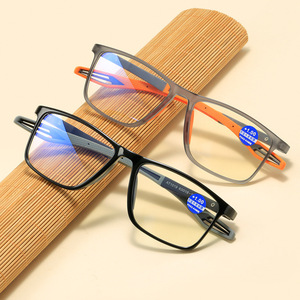
Fashion TR90 Diamond Face Unisex Reading Glasses for Middle-aged Elderly Ultra-light Anti-blue Light Frame
- Material: Ultra-Light TR90 / Bio-Polymer
- Protection: Anti-Blue Light HEV 420nm
- Target Fit: Ergonomic Diamond Silhouette
Explore our export-ready collection engineered to bridge sustainable polymer chemistry with precision ophthalmic lens manufacturing. Each piece complies with international optical benchmarks including CE, FDA Class I, and ISO 12870.
A technical examination of renewable cellulose diacetate polymers, biodegradable plasticizer matrices, and the strategic sourcing criteria demanded by tier-one eyewear retail brands worldwide.
Traditional eyewear acetate relies on petroleum-derived plasticizers like Diethyl Phthalate (DEP). Our bio-acetate is synthesized from renewable FSC-certified wood pulp and cotton linters, plasticized with bio-esters. This lowers cradle-to-gate carbon footprints by 53% while preserving high shore hardness and warm tactile luxury.
A persistent dilemma for opticians has been shrinkage and temple warping in non-petrochemical plastics. Through controlled molecular weight polymer condensation, our high-density bio-acetate blanks exhibit less than 0.12% thermal shrinkage under ISO 12870 conditioning, guaranteeing stress-free prescription lens glazing.
International environmental regulations—including the EU Corporate Sustainability Due Diligence Directive (CSDDD) and REACH Annex XVII—penalize unverified greenwashing. Our bio-acetate frames provide verifiable chain-of-custody documentation, validated by ISO 14855 industrial compostability and ASTM D6866 bio-carbon assays.
| Evaluation Parameter | Proprietary Bio-Acetate (M49 Equivalent) | Standard Petroleum Acetate | Injected High-Volume Grilamid (TR90) |
|---|---|---|---|
| Bio-Renewable Carbon Share | 68.0% – 74.5% | < 20.0% | 0.0% (Petrochemical) |
| Plasticizer Toxicity Profile | Phthalate-Free / Plant Ester Matrix | Contains Phthalates (DEP / DMP) | Amide Oligomers / Non-Phthalate |
| Biodegradability (ISO 14855) | > 90% Mineralized in 115 Days | Non-Biodegradable (> 450 Years) | Completely Non-Biodegradable |
| Polishing & Hand Luster Depth | Deep High-Gloss Optical Refraction | High Gloss Standard | Matte or Painted Exterior Only |
| Dispensary Adjustability & Wire Core | Full Thermal Pliability (60°C Heat) | Full Thermal Pliability | Rigid Memory Shape (Non-Adjustable) |
How leading optical distributors and retail chains structure their buying boards to balance eco-conscious differentiation with strong inventory velocity and healthy gross margins.
For independent boutiques competing with large retail optical chains, custom-laminated bio-acetate is the definitive board anchor. Offer layered tortoiseshell, translucent crystal champagnes, and geometric bevels with 8mm carved temple blocks. These tactile details command premium retail price points ($280–$450 USD) while showcasing true artisanal pedigree.
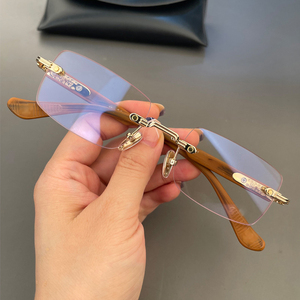
Modern professionals demand ultra-lightweight ergonomic wear without sacrificing sustainable materials. By combining Japanese-spec beta-titanium bridges and temples with slim-profile bio-acetate rims (3.0mm to 3.8mm), our factory delivers frames weighing under 14 grams that eliminate pressure points on the nasal bridge.
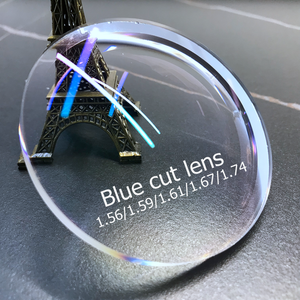
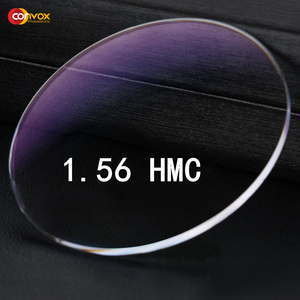
Streamline your procurement cycle by pairing private-label bio-acetate frames directly with our in-house surfaced 1.56, 1.60 MR-8, or 1.67 high-index blue-cut lenses. Our fully automated cleanroom assembly lines conduct computer-assisted lens beveling, alignment, and drop-ball impact verification before overseas shipment.
Market insights for supply chain executives, global sourcing directors, and brand founders navigating trade dynamics, ESG regulations, and factory automation.
By 2027, the European Union's Ecodesign for Sustainable Products Regulation (ESPR) will mandate digital traceability for consumer goods. Tier-one eyewear exporters must provide verifiable chemical batch records, resin source documentation, and energy expenditure metrics mapped to individual production batches.
Traditional subtractive CNC frame milling generates up to 60% acetate scrap offcuts. Advanced Chinese manufacturing facilities have deployed closed-loop scrap pelletization systems that re-dissolve non-contaminated edge offcuts into black, demi, and tortoiseshell acetate granules, cutting material overhead by up to 22%.
The standard 90-day prototyping timeline is obsolete. Using multi-axis high-speed CNC milling cutters running at 28,000 RPM, physical bio-acetate samples can be precision-machined, hand-polished, and delivered to brand design studios in North America or Europe within 7 business days, shortening new collection time-to-market.
A transparent look at our specialized production stages engineered to eliminate frame warping, achieve mirror finishes, and maintain tight dimensional tolerances.
Bio-acetate sheets undergo 72 hours of constant-temperature baking in thermal ovens to remove residual solvent stress, preventing future frame distortion and shrinkage during transport.
Diamond-coated milling heads sculpt frame eye-rims, step bevels, and customized temple pockets with ±0.05mm robotic accuracy, ensuring seamless ophthalmic lens fitment.
Frames rotate through 4 successive stages of natural beechwood chips, walnut granules, pumice paste, and organic oils, creating a lustrous, hand-buffed shine without harsh solvent polishes.
Every frame undergoes bridge pull testing, 500-cycle temple flex stress testing, optical lens axis alignment checks, and ultrasonic batch cleaning before individual eco-friendly packaging.
Clear, direct answers regarding minimum order quantities, testing standards, proprietary tooling, and export logistics.
Equip your optical retail chain or brand with export-ready sustainable frames, technical lens integrations, and direct manufacturer pricing. Connect with our engineering and export team today.