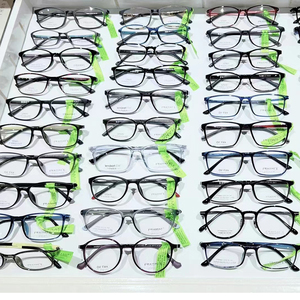
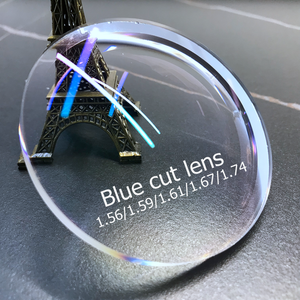
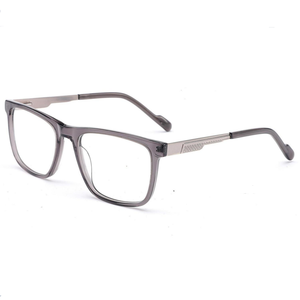
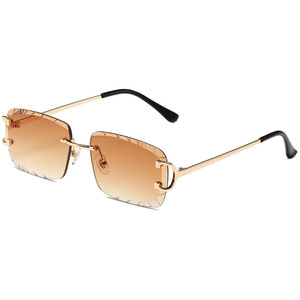
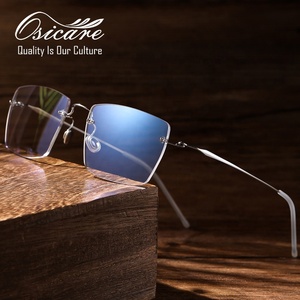
Explore our precision-engineered acetate spectacle frames, rimless diamond-cut sunglasses, beta-titanium ultra-light mounts, and advanced blue-cut optical lenses ready for volume delivery and custom branding.
Multi-stage dry walnut shell and pumice tumbling ensuring an ultra-smooth, mirror-luster tactile finish comparable to European artisanal ateliers.
High-precision 5-axis robotic carving for complex bridge bevels, screwless hinge sockets, and facetted diamond rimless sunwear contours.
Every batch complies with ANSI Z80.3, EN ISO 12312-1, and 21 CFR 801.410 impact resistance with calibrated spectrophotometer UV400 certification.
Scalable infrastructure spanning Wenzhou, Shenzhen, and Danyang manufacturing hubs to support emerging indie labels and global eyewear chains.
The global eyewear landscape has transitioned from simple cost-arbitrage assembly to advanced, high-precision engineering. When international fashion brands, private-label optical conglomerates, and independent optometrists search for top China wholesale designer shades factories & factory clusters, their intent extends beyond baseline unit costs. Modern procurement directors evaluate material integrity, biocompatibility, chromatic repeatability, five-axis micro-milling capabilities, and lean supply chain elasticity.
China's eyewear industrial cluster produces more than 70% of the world's frames and ophthalmic lenses. This specialized ecosystem is regionally stratified: Shenzhen (Henggang) anchors high-end luxury acetate, solid titanium, and gold-plated designer frames; Wenzhou (Ouhai) leads mid-to-high scale metal, acetate injection, and rapid-turn fashion eyewear; and Danyang (Jiangsu) dominates global ophthalmic lens resin casting, monomer chemistry (including authentic Mitsui MR™ series), and vacuum antireflective coating. Understanding these geographic specializations is the cornerstone of building a resilient, margin-optimized optical supply chain.
| Cluster Hub | Primary Material Focus | Technical Precision Level | Best Suited Procurement Segment | Average Lead Times |
|---|---|---|---|---|
| Shenzhen (Henggang) | Cellulose Acetate, Japanese Beta-Ti, Gold-plated Alloy | Micron-level CNC (±0.02mm), hand-filing, 72h tumbling | Luxury Designer Brands, Heritage Independent Optical | 45 – 60 Days (Custom OEM) |
| Wenzhou (Ouhai) | Recycled Stainless Steel, TR90, Combined Acetate | Automated stamping, high-speed robotic soldering | Fast-fashion sunglass chains, retail optical networks | 30 – 45 Days (Bulk OEM/ODM) |
| Danyang (Jiangsu) | CR-39, 1.56, 1.60 MR-8, 1.67, 1.74 High Index Lenses | Automated dip-hardcoating, vacuum AR magnetron sputtering | Rx optical labs, finished/semi-finished lens wholesalers | 7 – 20 Days (Stock to Rx) |
| Xiamen (Fujian) | Polycarbonate, Grilamid TR90, Polarized TAC/Nylon | Co-injection molding, polarized film thermoforming | Performance sports eyewear, tactical & cycling shades | 30 – 40 Days (Technical Specs) |
To preserve healthy gross margins at retail (typically requiring a 5x to 8x markup from landed factory cost), procurement teams must avoid intermediate sourcing brokers and align directly with specialized manufacturing facilities equipped with integrated engineering departments, CAD/CAM prototyping suites, and ISO 9001 certified cleanrooms.
Disruptive shifts in polymer chemistry, sustainable manufacturing mandates, and consumer ergonomic demands are fundamentally altering how enterprise optical buyers structure long-term production contracts.
The regulatory pressure across the European Union (CSRD directives) and North America is accelerating the phase-out of traditional diethyl phthalate (DEP) plasticizers. Top-tier Chinese factories are rapidly transitioning to bio-based acetate derived from sustainably harvested wood pulp and cotton linters, coupled with bio-plasticizers. These compounds yield a biodegradability index exceeding 180 days under industrial composting while preserving the rich, deep chatoyancy, heat-adjustability, and structural rigidity required by professional dispensing opticians.
Mechanical hinge failure remains the primary driver of retail warranty returns. The next frontier in wholesale designer shades is screwless friction-hinge mechanisms, micro-machined out of high-elasticity Japanese Beta-Titanium (Ti-15V-3Cr-3Sn-3Al) or medical-grade Grade 5 Titanium. Utilizing vacuum laser-welding and high-density Ion Plating (IP), these frames achieve zero corrosion, hypo-allergenic clinical safety, and weigh under 12 grams without compromising facial clamping tension.
Streetwear and high-luxury fashion markets are experiencing a strong revival of late-90s rimless aesthetics, elevated through modern CNC gemstone-faceting technologies. Rather than manual beveled edges, modern Chinese factories utilize automated 5-axis diamond carving heads to cut refractive prism patterns directly onto 3.0mm to 4.0mm thick high-impact polyamide (nylon) and polycarbonate sun lenses, finished with bespoke metal hardware fastened with vibration-proof internal thread bushings.
Drawing inspiration from elite European frame board planning methodologies—where dispensaries curate distinct design languages across French layered colorways, German precision restraint, and Italian artisanal boldness—our factory network operates as a technical bridge. We empower private labels and optical retailers to deliver uncompromising designer caliber at direct-source production economics.
We do not just stamp out anonymous frames; our optical engineers help buyers build cohesive dispensary assortments. From balanced acetate-to-metal board ratios to pantoscopic tilt calibration and bridge sizing (Asian vs. Global fit ergonomics), your dispensary retains an exclusive, high-end identity.
Unlike typical frame assemblers who outsource lens fitting, our direct facility partnerships with Jiangsu optical labs enable in-line edging of 1.56, 1.60 MR-8, and 1.67 polarized prescription-ready sun lenses. Buyers receive fully assembled, certified units ready for direct shelf placement.
We bridge the barrier between emerging independent brands and mega-factories. We provide low-MOQ custom logo pad printing, laser engraving, and custom core wire extrusion starting from small test orders up to full multi-thousand container runs, reducing commercial inventory exposure.
Our Quality Assurance protocol follows an uncompromising seven-stage audit: incoming raw block acetate moisture balancing, 3D laser coordinate dimensional verification, temple pull-force hinge testing (minimum 20,000 continuous cycle opening/closing), 24-hour artificial sweat immersion testing, spectrophotometer transmittance mapping, ultrasonic degreasing, and ISO Class 7 dust-free final optical packaging.
Technical, operational, and regulatory clarifications designed to streamline production onboarding and prevent costly international shipping delays.
Block acetate (cellulose acetate) is an organic polymer synthesized from purified cotton seed linters and wood pulp flakes. It is cured in massive blocks, sliced into uniform sheets, and then carved via precision 5-axis CNC cutters. This process preserves the material's internal polymer chain orientation, allowing optical dispensers to heat, shape, and anatomically adjust the frame repeatedly without brittle fracturing. Conversely, injected propionate (CP) or TR90 is liquefied and molded under thermal pressure; while lighter and cheaper, it lacks the tactile depth, custom core wire insertion capabilities, and long-term dimensional stability of genuine handmade cellulose acetate.
MR-8 monomer, developed by Mitsui Chemicals, is a polyurethane-based optical material celebrated for its superior tensile strength, high Abbe value (41), and exceptional heat resistance (Tg up to 118°C). In rimless or groove-mounted diamond-cut eyewear, the lens edge experiences significant shear stress around the drilled screw bushings. Standard 1.56 acrylic resin is excessively brittle and prone to micro-cracking and spiderweb fracturing when subjected to drilling or diamond-head milling. MR-8 flexes under mechanical pressure without cleaving, making it the industry benchmark for rimless designer sunglasses.
For the United States market, all sunglasses and optical frames must strictly satisfy the FDA 21 CFR 801.410 drop-ball impact test (a 5/8-inch steel ball dropped from a height of 50 inches without fracturing the lens). The importer of record must hold a valid FDA Establishment Registration, and the manufacturing facility must have an active Device Listing. Additionally, frames must comply with ANSI Z80.3:2018 for non-prescription sunwear. For the European Union, products must bear the CE marking, complying with Regulation (EU) 2016/425 for Personal Protective Equipment (PPE) category 1, meeting EN ISO 12312-1:2022 requirements, and maintaining strict REACH chemical compliance regarding nickel release (EN 1811:2011) and azo dyes.
For existing factory open-mold frames with custom logo silk-screening or laser etching, MOQs typically range from 50 to 100 pieces across available stock colorways. For bespoke OEM designs requiring proprietary CNC tool paths, custom acetate laminations, or custom-extruded wire cores, standard production runs start at 300 pieces per model (divided into 2 to 3 color variants, e.g., 100 pcs Black, 100 pcs Tortoise, 100 pcs Crystal). Custom molded metal tooling or dedicated injection molds require a dedicated tooling amortizing fee, which is frequently credited back once aggregate order volume exceeds 3,000 units.
Traditional wet electroplating deposits a thin metallic film via liquid chemical baths, resulting in a surface layer that is susceptible to tarnishing, chipping, and corrosive degradation from skin sweat acidity (lactic acid and sodium chloride). Vacuum Ion Plating (IP) occurs inside a high-vacuum chamber where target metals (such as Titanium, 24K Gold, or Ruthenium) are vaporized into an ionized plasma and accelerated onto the substrate frame. IP plating forms an ultra-dense, atomic-level metallurgical bond that is 5 to 8 times harder than standard electroplating, achieving a 48-hour to 96-hour continuous salt-spray test rating without oxidation.
Yes. Modern China supply chain integration extends to full turnkey secondary and tertiary packaging. We design, produce, and assemble branded rigid luxury presentation boxes, debossed micro-fiber cleaning pouches, high-density microfiber lens cloths (with custom edge embossing), warranty authentication cards, and master shipping cartons with pre-printed Amazon FBA or enterprise 3PL barcoding labels, enabling zero-touch fulfillment directly from our logistics centers in Shenzhen or Hong Kong.
Whether you are curating an exclusive frame board for a chain of independent optometry clinics or launching an international designer sunwear collection, connect directly with our engineering and procurement team for technical spec reviews, prototype CAD blueprints, and competitive volume quotations.