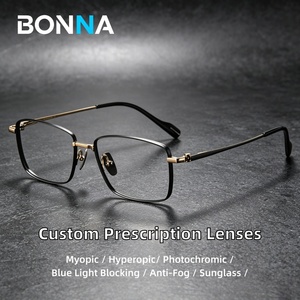
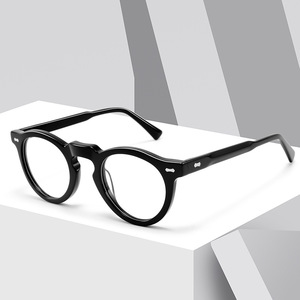
Supplying San Francisco optometry practices, boutique eyewear lounges, and private label optical brands across Union Square, Hayes Valley, and Pacific Heights with elite natural horn, Japanese titanium, and precision acetate structures.
Natural water buffalo horn (Bubalus bubalis) represents the absolute pinnacle of luxury eyewear materials due to its organic keratin matrix, isothermal properties, and non-allergenic profile. However, supplying high-performance horn eyeglass frames to coastal climates like San Francisco requires precision engineering. San Francisco’s microclimates—shifting from dense Pacific marine fog to heated indoor corporate suites—present distinct humidity and temperature gradients that can destabilize non-engineered horn materials.
Our OEM/ODM manufacturing facility mitigates organic warp through our proprietary Cross-Grain Vacuum Lamination (CGVL) method. Rather than relying on singular solid horn cuts that may deflect along structural cleavage planes, our artisans cross-laminate ultra-thin sheets (0.45mm to 0.70mm) of stabilized horn under 85 bar hydraulic pressure with biological adhesives. For San Francisco luxury opticians, this provides unrivaled tensile resilience, preventing micro-warping around ophthalmic bevel tracks while preserving the irreplaceable marble striations and tactile warmth of natural horn.
Furthermore, each batch undergoes a 90-day controlled stabilization chamber cycle that balances core moisture content at exactly 8.2% to 10.5%. When paired with medical-grade Beta-Titanium endpieces and multi-barrel German OBE hinges, the resulting chassis achieves an extraordinary balance of structural integrity, weight distribution, and pure ergonomic comfort.
Localized Applications
Engineered for San Francisco’s Discerning Optical Market
How our factory direct horn and hybrid titanium frames integrate into the retail strategies of Northern California's most prestigious optometry practices.
Financial District & Silicon Valley Execs
Executives and venture capitalists in downtown SF demand understated distinction without flashy mass-market logos. Hand-carved matte horn frames deliver subtle prestige, commanding MSRPs between $650 and $1,400 per unit with 65%+ optical retail margins.
Hayes Valley & SOMA Boutiques
Forward-leaning independent boutiques curate mixed-material avant-garde aesthetics. Our hybrid horn-and-titanium silhouettes offer the geometric complexity of European ateliers with custom low-bridge nose pads and optimized pantoscopic tilts for high-density Bay Area demographics.
Mission District Bespoke Concept Stores
Bespoke trunk collections featuring individualized horn horn grain patterns give San Francisco optical entrepreneurs a strong narrative on renewable raw materials, animal-byproduct upcycling, and non-petrochemical sustainability.
Engineering Specifications
Material Comparison Matrix: Horn vs. Conventional Acetate
Structural Attribute
Genuine Water Buffalo Horn
Cellulose Acetate
Beta-Titanium Hybrid
Specific Gravity (Density)
1.28 - 1.32 g/cm³ (Super-light)
1.27 - 1.35 g/cm³
4.43 g/cm³ (Structural Skeleton)
Thermal Adaptation
Isothermal (Adapts to human skin)
Thermal Insulator
Rapid heat dissipation
Hypoallergenic Rating
100% Biocompatible Keratin
Requires plasticizers (Diethyl phthalate)
Class 1 Medical Inertness
Refractive Luster
Natural Deep Silky Iridescence
Surface Wax/Lacquer Gloss
Anodized or Ion-plated Sheen
Recommended SF Retail Price
$650 - $1,500+
$180 - $380
$420 - $890
Manufacturing Superiority
End-to-End OEM/ODM Production Capacity Dedicated to Northern California
Operating as a primary manufacturer and trade-only supplier, our facility unites traditional European bench craftsmanship with Japanese 5-axis CNC micro-tooling. We control the complete value chain—from ethical horn harvesting and slow seasoning to three-stage waterless barrel tumbling and precision hand-polishing with organic vegetable waxes.
For San Francisco optical practices navigating rapid consumer shifts, relying on intermediaries or catalog brokers introduces friction, inconsistent bevel margins, and prolonged cycle delays. By partnering directly with our manufacturing floor, Bay Area retailers gain private-label bespoke stamping, specialized temple engraving, customized temple drop profiling, and flexible low-minimum order runs (MOQs) tailored to independent dispensary test-marketing.
Bay Area Market Intelligence
2026-2028 San Francisco Optical Purchasing & Material Trends
The San Francisco eyewear market is experiencing a profound pivot away from conspicuous logo-driven eyewear toward quiet luxury, architectural minimalism, and biophilic tactile feedback. With elevated disposable incomes across tech, venture finance, and biotech sectors, consumers deliberately look for bespoke optometric service models that emphasize optical artistry over assembly-line injection plastics.
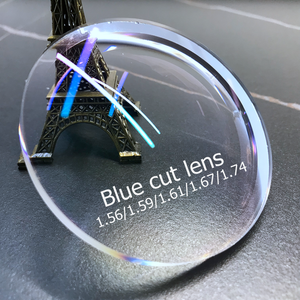
Natural horn eyeglass frames fit precisely into this shift. The unique chromatic grain of every individual horn blank ensures that no two frames in a San Francisco dispensary are ever identical, satisfying consumer demand for individuality. Moreover, pairing horn fronts with 1.56/1.67 Blue Cut anti-fatigue lenses addresses the digital visual strain of Bay Area coders and remote executives without compromising on frame aesthetics.
B2B Procurement Intelligence
Frequently Asked Questions by San Francisco Optical Retailers
Everything you need to know about purchasing, cold-glazing, maintaining, and retailing natural horn frames in California.
How does your factory protect horn frames against San Francisco microclimate humidity shifts?
Our water buffalo horn blanks undergo a proprietary 90-day dehydration and oil-stabilization protocol before computer-aided milling. Furthermore, our cross-laminated layering method balances grain tension, preventing differential expansion caused by foggy marine layers along the Embarcadero or dry indoor office heating.
What are the exact lab glazing and lens edging requirements for horn optical frames?
Natural horn requires cold-insertion glazing techniques with low-temperature localized bridge softening when necessary (never exceed 45°C, and never submerge in hot bead warmers). Edge lenses to an exact 1:1 bevel ratio with zero radial lens stress to ensure prolonged frame integrity. We provide comprehensive optical lab glazing manuals with every wholesale account.
Do your natural horn materials comply with US Fish and Wildlife and California ecological standards?
Yes. 100% of our raw materials originate from domesticated Asian water buffalo (Bubalus bubalis), strictly harvested as an agricultural byproduct following natural lifespans. Our shipments arrive fully cleared through US Customs and US Fish and Wildlife Services (USFWS) declarations, ensuring clean supply chains for Bay Area boutiques.
Can independent SF opticians order mixed prototypes or private label branding?
We provide boutique-friendly OEM/ODM arrangements. Independent practices can initiate private-label series with laser temple core engraving, bespoke nose pad branding, and customized dimensions starting at accessible minimum batches per colorway.
What ongoing maintenance protocol should San Francisco dispensaries recommend to end-users?
Because horn is an organic keratin structure akin to fine wood or cashmere, it requires light nourishment. We provide branded natural beeswax balm tins with every frame. Recommending a thin application every 4 to 6 months preserves the horn’s deep silky luster and prevents desiccation.
Direct Trade Partnership
Elevate Your Frame Board With Artisan Natural Horn
Receive our complete engineering catalog, wholesale price matrix, and bespoke horn finish swatches curated for San Francisco luxury optical dispensaries.