
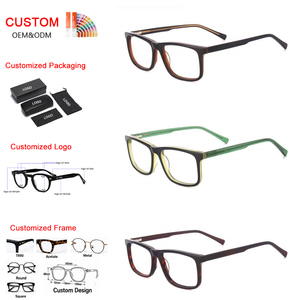
Engineered for Asian ergonomic skull-fitting, ultra-low weight balance, and high-tolerance prescription glazing integration.
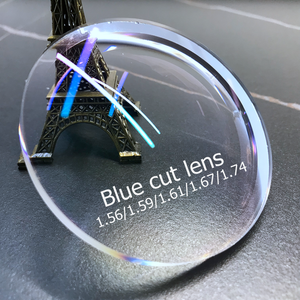
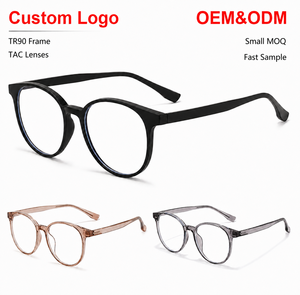
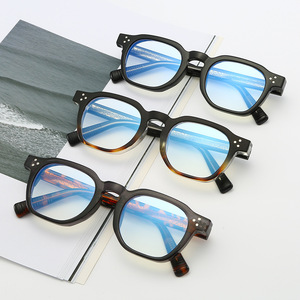
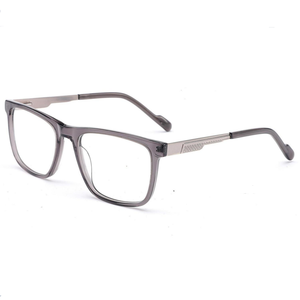
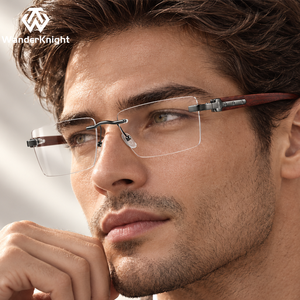
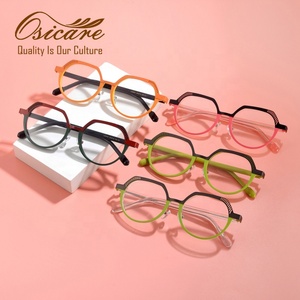
Why independent opticians in Ginza, Omotesando, and Kichijoji avoid conglomerate licensing and curate exclusive, technical collections.
In the fiercely competitive Tokyo metropolitan eyewear arena—spanning elite commercial districts like Ginza, Aoyama, Daikanyama, and Meguro—independent optical owners (個人眼鏡専門店) face intense pressure from fast-retail chains. Maintaining margin viability while satisfying sophisticated Japanese consumers requires a fundamental transition from generic display shelves to an intentional, curated "Frame Board Architecture." Modern Tokyo patients are discerning; they analyze hinge dampening, bridge pantoscopic tilt, bridge flare angles, and hypoallergenic surface stabilization before checking the price tag.
A major shortcoming of Western-imported European stock frames on the Tokyo frame board is structural misalignment with East Asian facial anatomy. Conventional Caucasian frame chassis rely on wide 18-20mm bridges with shallow splay angles and minimal vertex distance clearance. When glazed with high-minus (-4.00D or greater) spherical or free-form progressive lenses, these frames frequently slide down low nasal bridges, causing eyelashes to contact back-surface lens geometry and shifting optical centers away from patient pupil axes.
Our OEM/ODM manufacturing partnerships resolve this through targeted Asian Ergonomic Profiles: integrated nose pads with 3D multi-axial micro-adjustability, raised acetate pad bridges with steeper splay angles (28° to 34°), and customized pantoscopic angles (optimized to 8°-10°). This guarantees visual aberration control, stable focal centering, and pressure-free temporal temple hugging suitable for everyday corporate and high-end lifestyle demands.
Independent optical stores in Tokyo build their reputation on durability and craftsmanship. When introducing acetate frame boards, buyers prioritize eco-conscious Mazzucchelli-grade high-density cellulose acetate (HDCA), treated through 90-day curing rooms to prevent warping under Japan's humid summers and dry winter seasons. For rimless, semi-rimless, and ultra-thin profiles, Japanese-specified Beta-Titanium (β-Ti) and Grade 2 surgical titanium provide the optimal stiffness-to-weight ratio, allowing whole-frame chassis weights to stay below 11.5 grams while retaining mechanical hinge elasticity.
Aligning bespoke frame geometry with localized occupational environments and demographic lifestyles across the Tokyo prefecture.
For executive bankers, legal consultants, and corporate leaders requiring disciplined refinement. Minimalist titanium rimless structures and muted horn-acetate combinations convey subtle prestige without overt branding, seamlessly integrating digital blue-cut coatings for long screen hours.
Architects, creative directors, and fashion stylists seeking geometric, crown-panto, and octagonal silhouettes. Layered bi-color acetates and architectural bridge constructions serve as conversational centerpiece optical accessories that command high retail margins.
Vintage enthusiasts and suburban optical clientele seeking tactile, classic styles. Thick 6mm-8mm hand-polished vintage keyhole bridges, genuine rivet hinges, and warm tortoiseshell finishes tailored with modern anti-fatigue prescription lens configurations.
Market shifts indicating a departure from high-royalty corporate licensing toward direct-from-source agile manufacturing.
Leading Tokyo dispensaries are reducing dependence on European conglomerates whose frames appear on discounted e-commerce platforms. By sourcing custom small-MOQ OEM batches directly, boutiques secure exclusive territory, build private brand equity, and double gross margins.
Japanese consumer groups increasingly inspect environmental credentials. Petroleum-free bio-acetates derived from wood pulp and cotton lint, paired with non-toxic ion-plating (IP) surface finishes, are now required standards for upscale boutique frame board rotations.
Rather than negotiating fragmented supplier accounts across frame builders and separate lens laboratories, boutique owners favor unified vendors capable of delivering pre-calibrated frame chassis alongside advanced 1.56, 1.61, and 1.67 blue-cut optical elements.
Delivering high-precision frame board planning, audited quality controls, and stable delivery timelines for boutique opticians.
Five-axis German-engineered CNC milling ensures hinge-pocket cuts within ±0.02mm, eliminating looseness and arm wobbling through decades of folding cycles.
Physical Vapor Deposition surface coatings withstand harsh artificial sweat, salt spray, and UV degradation tests, preserving satin and polished aesthetics under demanding daily wear.
We work with optical practice owners to structure balanced board plans: balancing 60% dependable commercial shapes with 30% fashion designs and 10% avant-garde showcase frames.
Eliminate dead-stock financial risk with low-MOQ test orders per colorway. Replenish fast-moving retail winners on demand via swift air cargo routes straight to Tokyo.
Key technical, logistical, and compliance considerations when purchasing optical frames from independent OEM/ODM suppliers.
Inquire today to review the complete independent optical wholesale catalog, order sample sets, or arrange a private consultation for store-branded private label collections.
Send an Inquiry