Precision-engineered spectacles, rimless architectures, and advanced optical lens solutions configured to satisfy independent practices across Collins Street, Fitzroy, and South Yarra.
Melbourne’s eyewear marketplace presents an intricate ecosystem distinct from any other regional capital in Australasia. The convergence of historical European appreciation, an internationally lauded café culture, an assertive urban design ethos, and an academic workforce makes the city a premier hub for bespoke eyewear retail. Within Melbourne’s premier retail epicenters—from the heritage architecture of Collins Street’s Paris End to the artistic boulevards of Fitzroy, Brunswick, and South Yarra—round optical frames maintain an entrenched dominance.
Independent optometrists and dispensing opticians across Victoria are navigating a critical transition. Commercial chain conglomerates often dominate the high-volume, low-differentiation generic plastic sectors, leaving private practices to compete on clinical excellence, ocular pathology diagnostics, and above all: highly curated, distinct artisanal frame collections. Round optical frames have emerged as the definitive instrument for board differentiation. Unlike standardized rectangular or sports-wrap silhouettes, round designs inherently signal intellectual heritage, design pedigree, and deliberate architectural styling.
From an anatomical and optometric lens perspective, round geometries pose specific technical requirements. High-prescription myopes and hyperopes frequently present decentration challenges when paired with oversized, ill-fitting round frames. The technical solutions developed in our manufacturing ateliers prioritize precise pantoscopic tilt, optimized vertex distances, and keyhole bridges that distribute weight evenly over the nasal bone, preventing slippage during Melbourne’s rapid micro-climatic weather shifts.
Analyzing how sub-demographics within Melbourne interact with eyewear across distinct functional, climate, and lifestyle parameters.
Practices servicing the Collins, Bourke, and William Street corridors cater to legal, banking, and executive professionals. Thin-profile round frames composed of surgical-grade Japanese titanium or micro-milled German stainless steel deliver understated authority without overt branding logos.
Serving Brunswick, Carlton, and Fitzroy, independent optical studios demand heavy-gauge, multi-laminate block acetates. Iconic pantos, circular horn rims, and authentic architectural rounds in raw tortoiseshell and avant-garde hues resonate with artists, architects, and design academics.
Practices in Brighton, Sandringham, and Frankston manage optical workflows demanding rapid transitions between high ambient UV maritime exposure and digital workplace demands. Mixed-material rounds featuring galvanic-plated titanium bridges excel here.
Procurement directors, practice owners, and optical dispensing leads face rapidly evolving market pressures. In Melbourne’s competitive private health fund landscape—where clients actively maximize optical extras benefits (Bupa, Medibank, CBHS, Teachers Health) annually—the frame board cannot afford redundant shelf stock. Three transformative manufacturing realities are directing supply agreements:
Bio-Circular Cellulose Acetates: Victoria’s affluent retail consumers exhibit elevated environmental scrutiny. Traditional diethyl phthalate (DEP) plasticizers are increasingly phased out in favor of eco-friendly bio-acetates derived exclusively from wood pulp and cotton lint. These sheets maintain structural memory, high tactile warmth, and an ultra-deep polish while offering biodegradability under standard industrial compositing protocols.
Beta-Titanium and Modular Mechanical Engineering: The mechanical stress placed on circular eye-wires during lens mounting is significantly higher than that on box-cut styles. If the curvature tolerance shifts by merely 0.2mm, high-index asymmetric toric lenses may experience axis twisting or optical stress fringes. Our precision cold-forged Beta-Titanium components preserve internal flexibility, enabling dispensing opticians to achieve effortless glazing even with -8.00D or +4.00D optical scripts.
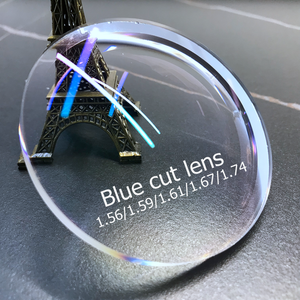
Anti-Reflective, High-Energy Visible (HEV) Blue Light Integration: In Melbourne’s dominant service economy, optical wearers routinely log 9+ hours of active screen illumination. Supplying circular optical frames pre-configured or seamlessly matched with 1.56, 1.61, or 1.67 Blue Cut ophthalmic blanks ensures practice margins are protected while delivering instant visual relief to the end patient.
Bridging global manufacturing capacity with the responsive agility required by independent practice boards.
Every round frame undergoes rigorous mechanical hinge cycle testing (20,000 actuations), salt-spray sweat resistance checks, and axis true-circular optical alignment inspections.
End-to-end laser-engraved pad printing, temple stamping, and customized architectural cases for retail dispensaries building an exclusive in-house house brand.
Standardized lens bevel angle (120° precision V-bevels) tailored for modern automated edging platforms such as Essilor Mr Blue, Nidek ME, and WECO machinery.
Full conformance with Australian Therapeutic Goods Administration (TGA) Class I medical device regulations, ensuring total clinical confidence.
Direct answers for practice managers, procurement buyers, and independent optometrists.
Acquire wholesale technical specifications, factory volume rates, and physical diagnostic samples configured specifically for the Australian marketplace.
Get Catalog